
Free written scope consultation - allowances, timeline, and change-order rules on paper before a single trade is scheduled
Silestone Home Additions & ADU: The Long Beach Owner’s Guide
If you’re planning a home addition or ADU in Long Beach and want Silestone surfaces in the new space, the installed cost typically runs $45,000 to $130,000 depending on square footage, foundation work, and how much plumbing and electrical the addition needs. Most Long Beach owners come to us after discovering their existing home’s footprint can’t absorb a growing family, an aging parent, or rental income potential. The good news is Silestone quartz pairs well with additions because it’s consistent in color, resists staining during the messiest phases of construction, and installs on a predictable timeline once framing and drywall are up.
We’re an independent Long Beach contractor, not a Silestone affiliate, so our job is matching the right Silestone product to your addition and installing it so the seams disappear and the overhangs hold. This page covers what to expect, what it costs, and where things go sideways if someone cuts corners.
Which Silestone Models This Applies To
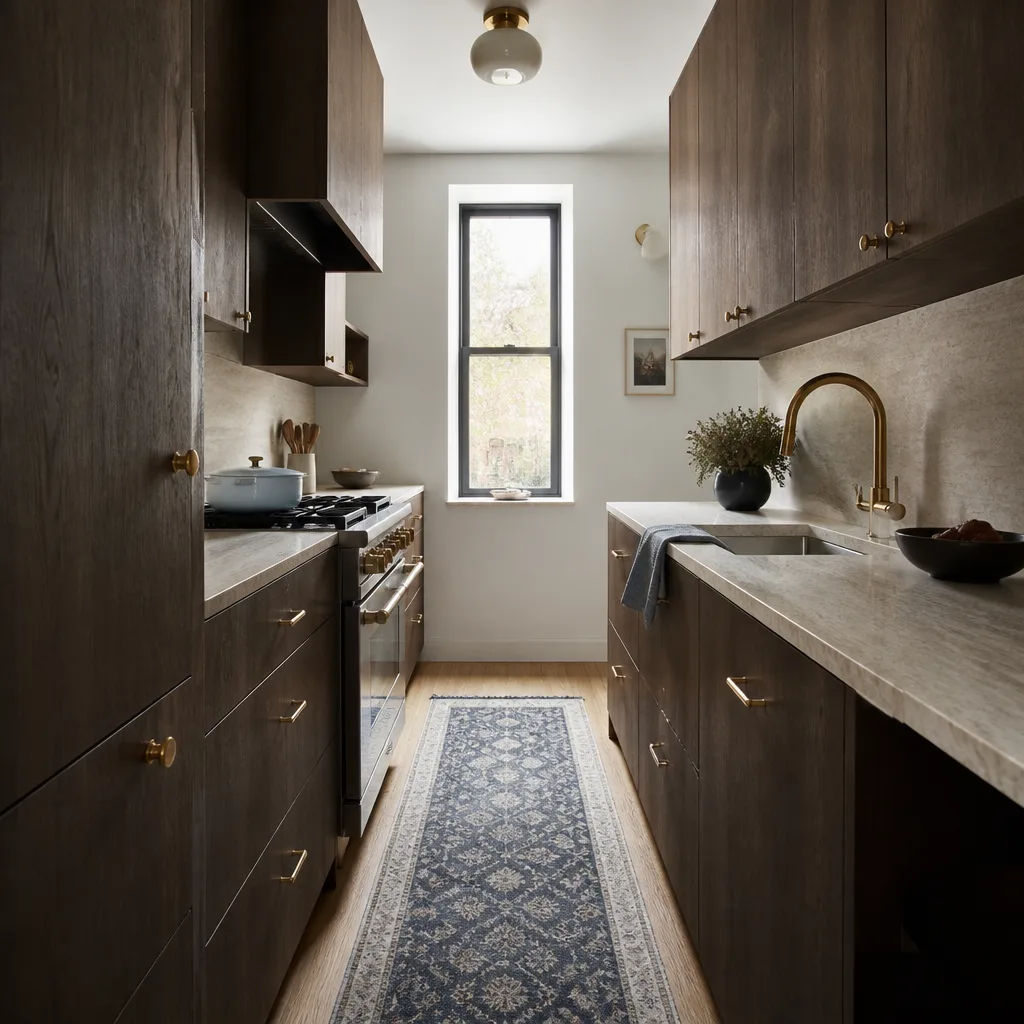
Silestone manufactures quartz in three main collections that show up in Long Beach additions and ADUs: the standard Classic series, the larger-format Loft series, and the outdoor-focused Sunlit Days line. Classic slabs run 55″ x 120″ and work well in smaller ADU kitchens where you want two seams max. Loft slabs go larger at 63″ x 128″, which matters if your island is over 9 feet and you want a single continuous surface.
Here’s the compatibility gotcha most Long Beach owners don’t discover until demolition day: Silestone introduced a new polished finish called HybriQ+ in 2020, and older Classic slabs still in circulation have the original N-Boost finish. They’re both genuine Silestone, but sheen levels differ slightly, and you can’t mix them on adjacent countertops without seeing the difference under kitchen lighting. If you’re matching an existing Silestone surface from a remodel five or more years ago, photograph the label under the slab before ordering anything new.
For ADUs specifically, we recommend sticking with Classic or Sunlit Days rather than exotic edge profiles. ADUs in Long Beach must meet specific square footage rules, and those numbers don’t change, but your counter budget shouldn’t eat 15% of the project just for a waterfall edge nobody asked for.
Styles & brands we work with







Signs Your Silestone Home Additions & ADU Is Failing
An addition or ADU doesn’t “fail” overnight the way a water heater does, but here are the signs owners in Long Beach commonly run into when something’s wrong:
- Hairline cracks at inside corners of the Silestone. This almost always means the cabinet beneath shifted, usually because the addition’s slab settled or the subfloor wasn’t leveled before cabinets went in. Quartz doesn’t flex; it cracks.
- Visible seams that weren’t visible at install. This is a thermal expansion issue. Long Beach’s coastal temperature swings, especially in unconditioned ADU spaces during August, cause the quartz and the adhesive to expand at different rates. A seam that opens 1/16″ tells you the installer skipped the proper gap.
- Water staining around the sink cutout. Silestone is non-porous, so this points to a failed silicone seal where the undermount sink meets the slab. Water sits between the sink flange and the quartz, and you’ll see a gray ring appear within a year.
- Counter overhangs sagging or bouncing. An unsupported 12-inch overhang holding a breakfast bar in an ADU is a real structural issue. We see this when someone skips steel support brackets to save $150 during a fast garage conversion.
- Doors and windows in the addition sticking after the first rainy season. This is the foundation or framing settling, and it will eventually crack your Silestone if the movement continues. It’s not the quartz’s fault, but it’s the first place you’ll see the evidence.
See the difference
 Before
 After
After Before
 After
After Before
 After
AfterReplacement Cost & What’s Included
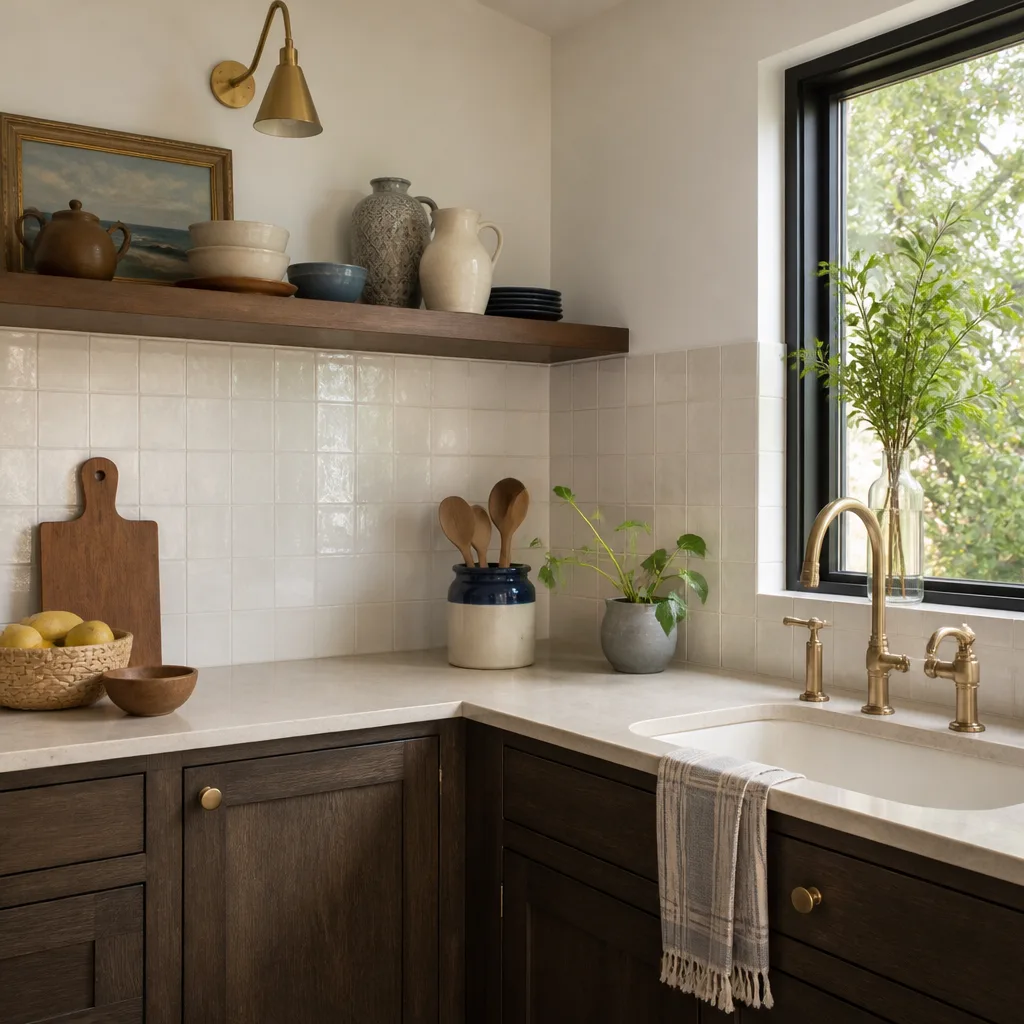
For a full home addition in Long Beach with Silestone countertops included, plan on $45,000 to $130,000. A standalone ADU with a full kitchen and bath usually lands between $90,000 and $220,000, and the Silestone portion of that, including slab, fabrication, and install, runs $85 to $150 per square foot depending on the series and edge profile. A garage conversion that adds a second living space without new foundation work sits at $30,000 to $80,000.
What drives the quote in Long Beach specifically: soil conditions matter, permits move at city speed, and older homes in neighborhoods like Belmont Heights or Rose Park often need seismic retrofitting before an addition can tie into the existing structure. We write all of this into the price before work starts, so there’s no change order when the inspector asks for extra strapping.
Our work carries the 365-Day Done Right Promise. If a seam separates, a counter cracks due to our installation, or anything we touched isn’t right within a year, we come back and fix it, no argument and no invoice. The Silestone product itself carries its own manufacturer warranty, which we’ll register for you.
DIY or Call Us?
You can measure your existing footprint, photograph the Silestone label, and map out where you want the addition to sit. That saves you time when we walk through. What you shouldn’t do is remove load-bearing walls, tie new framing into an old Long Beach foundation without an engineer’s sign-off, or attempt to set large quartz slabs yourself. A 63″ x 128″ Loft slab weighs over 600 pounds and will crack if flexed wrong during placement, and a cracked slab is not a warranty item for any manufacturer.
Luca Romano puts it this way: “The work tells you everything. The rest is just talking.” We’ve seen enough failed garage conversions with sagging headers and cracked counters in Long Beach to know which corners matter. If you’re planning a Silestone addition or ADU, call (562) 512-6480 for a free site walk and a written price.
FAQs
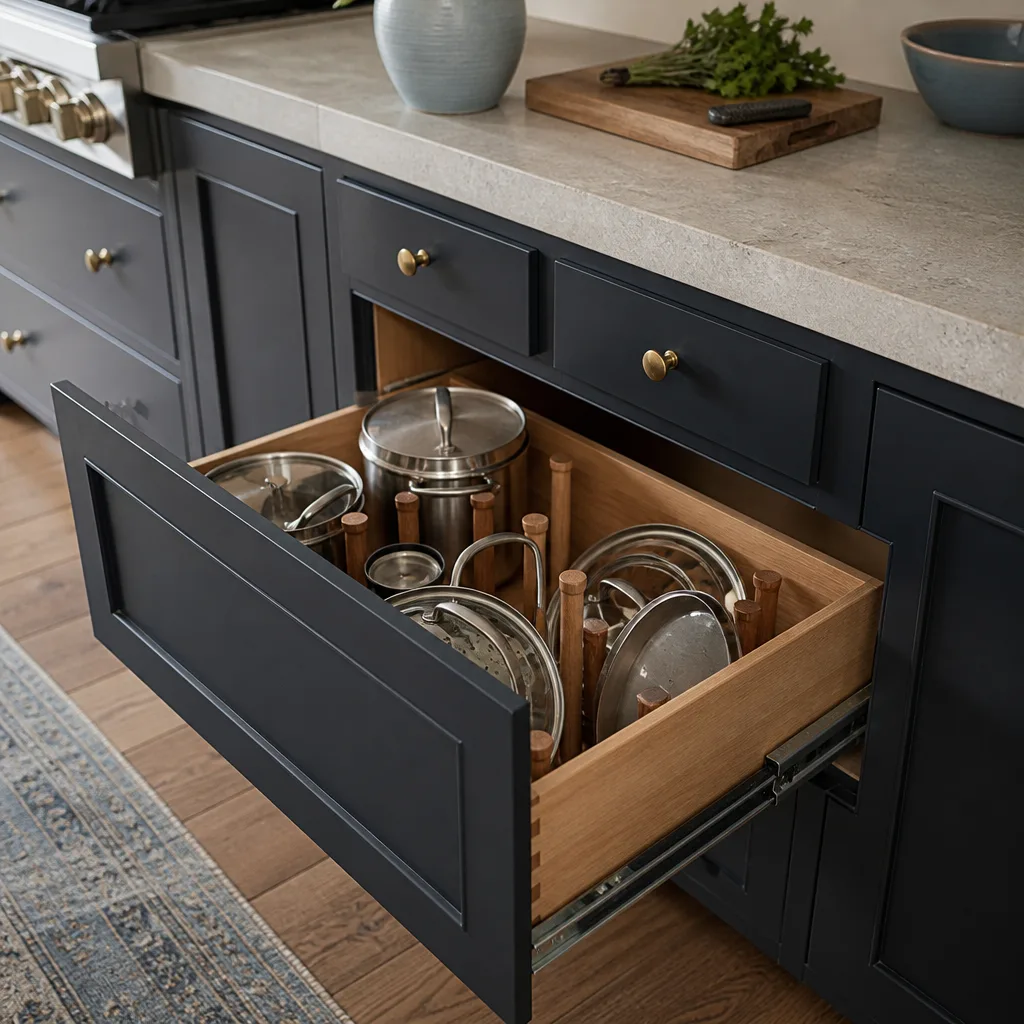
Silestone quartz should last 25 to 30 years without losing its finish, even in a coastal climate. The countertops themselves will outlast most other components in your addition. The most common reason for early replacement is structural movement from the framing below, not the Silestone failing. Call (562) 512-6480 if you’re seeing cracks and we’ll diagnose whether the slab or the structure is the problem.
Small chips can be filled with color-matched epoxy, but a running crack through the slab means replacement, because quartz doesn’t have the natural veining that hides repairs in granite. The repair adhesive will be visible under light. If the crack runs to an edge, it will keep spreading. For an honest assessment, call (562) 512-6480 and send us photos before you spend money on a fix that won’t hold.
The actual Silestone template, fabrication, and install takes 2 to 3 weeks once cabinets are set and your addition is weathertight. The counter install itself is usually one day for a standard ADU kitchen. We coordinate with the fabricator so the plumbing rough-in and cabinet installation are done before the template appointment, which keeps the whole addition schedule moving. Call (562) 512-6480 for a timeline specific to your project.
We don’t stock full Silestone slabs at our Long Beach shop, because color selections run into the hundreds and every addition needs a different amount. We source from local Long Beach and Los Angeles suppliers who do warehouse slabs, which means your color is usually available in 3 to 5 business days. For Fast-track ADU projects, we can match available slab inventory to keep your permit timeline intact. Call (562) 512-6480 and we’ll check current stock for your chosen series.
Written by Luca Romano, Owner, Sawyer Remodel Long Beach at Sawyer Remodel Long Beach, serving Long Beach and nearby areas.


