

Free written scope consultation - allowances, timeline, and change-order rules on paper before a single trade is scheduled
IKO Home Additions & ADU: The Long Beach Owner’s Guide
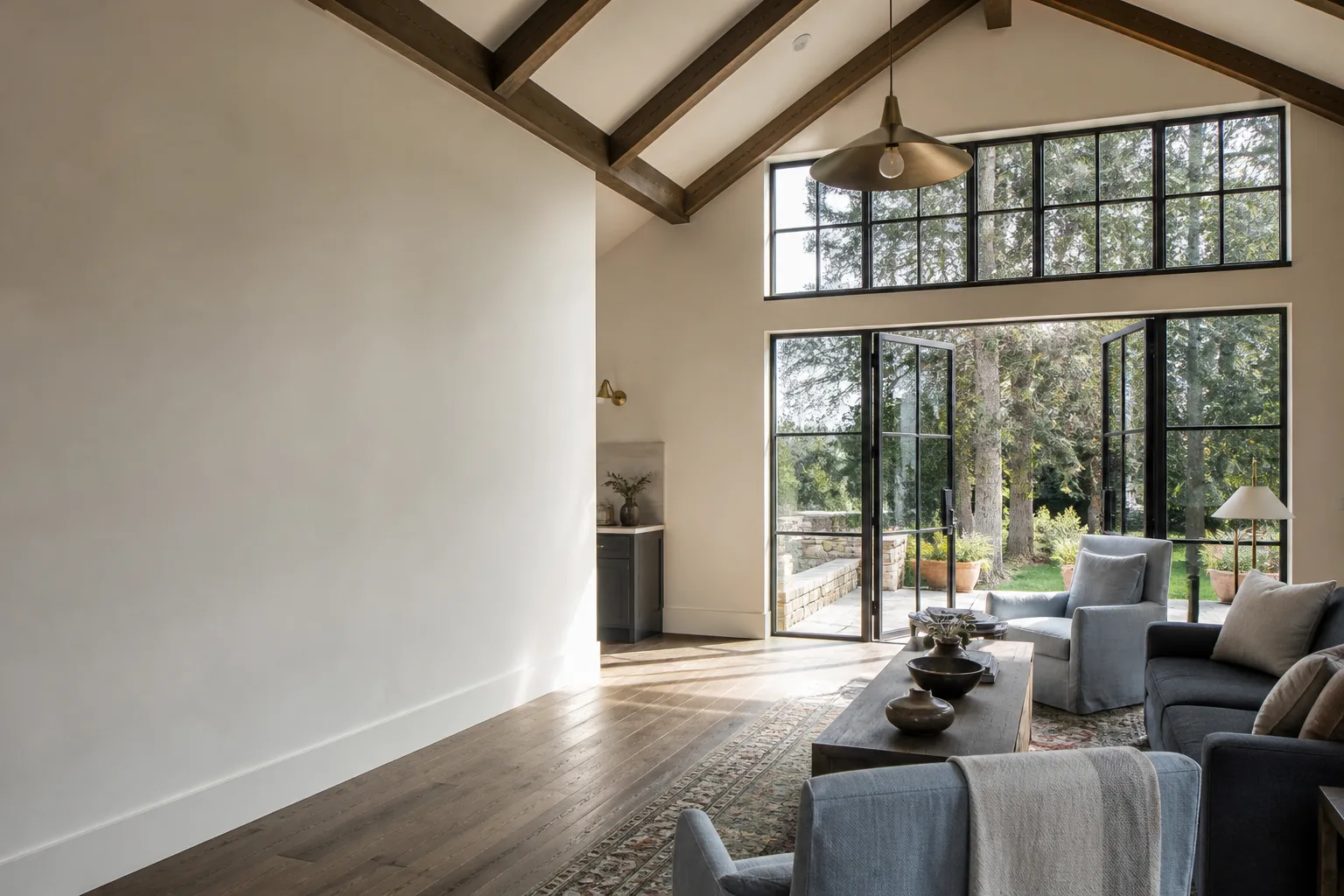
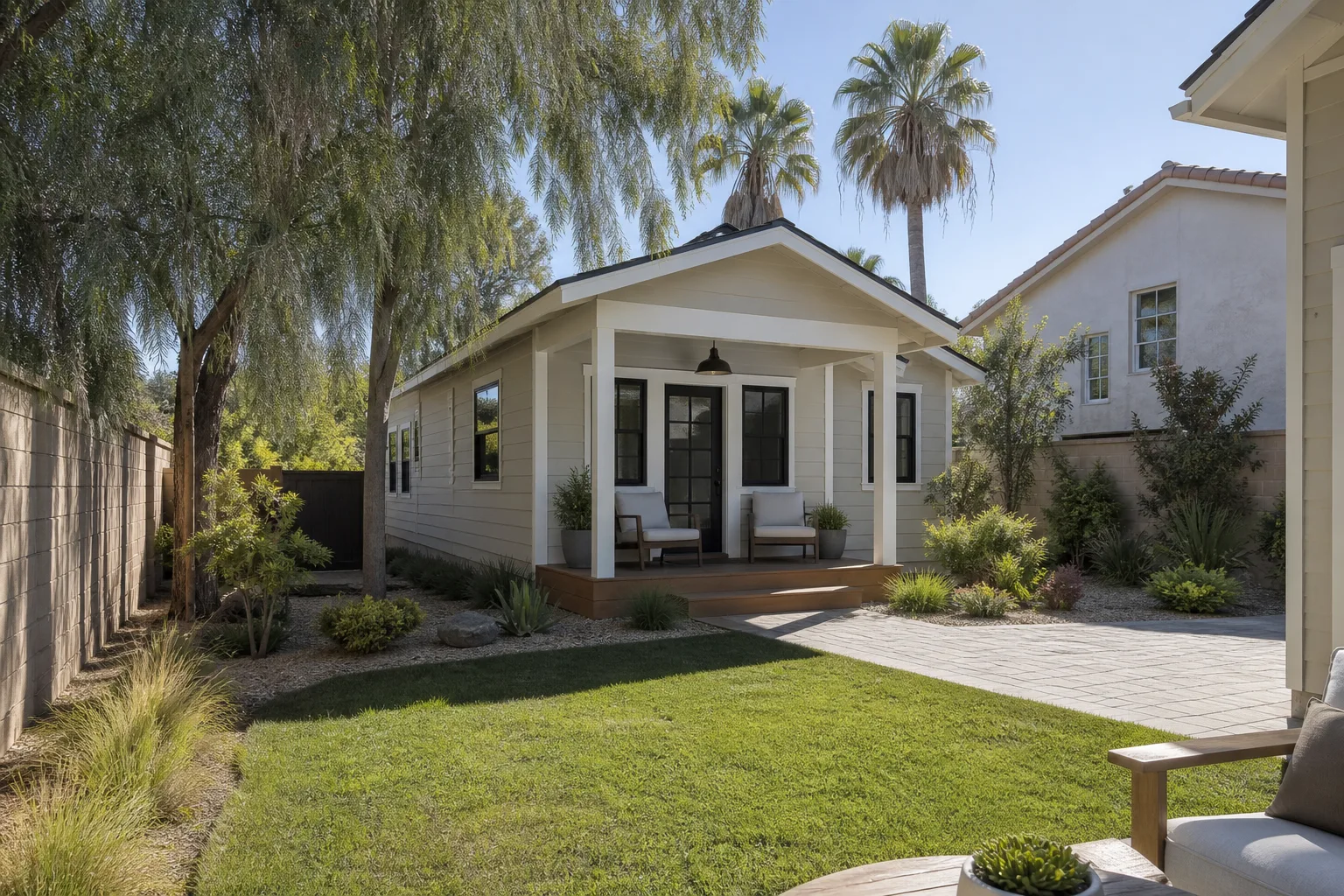
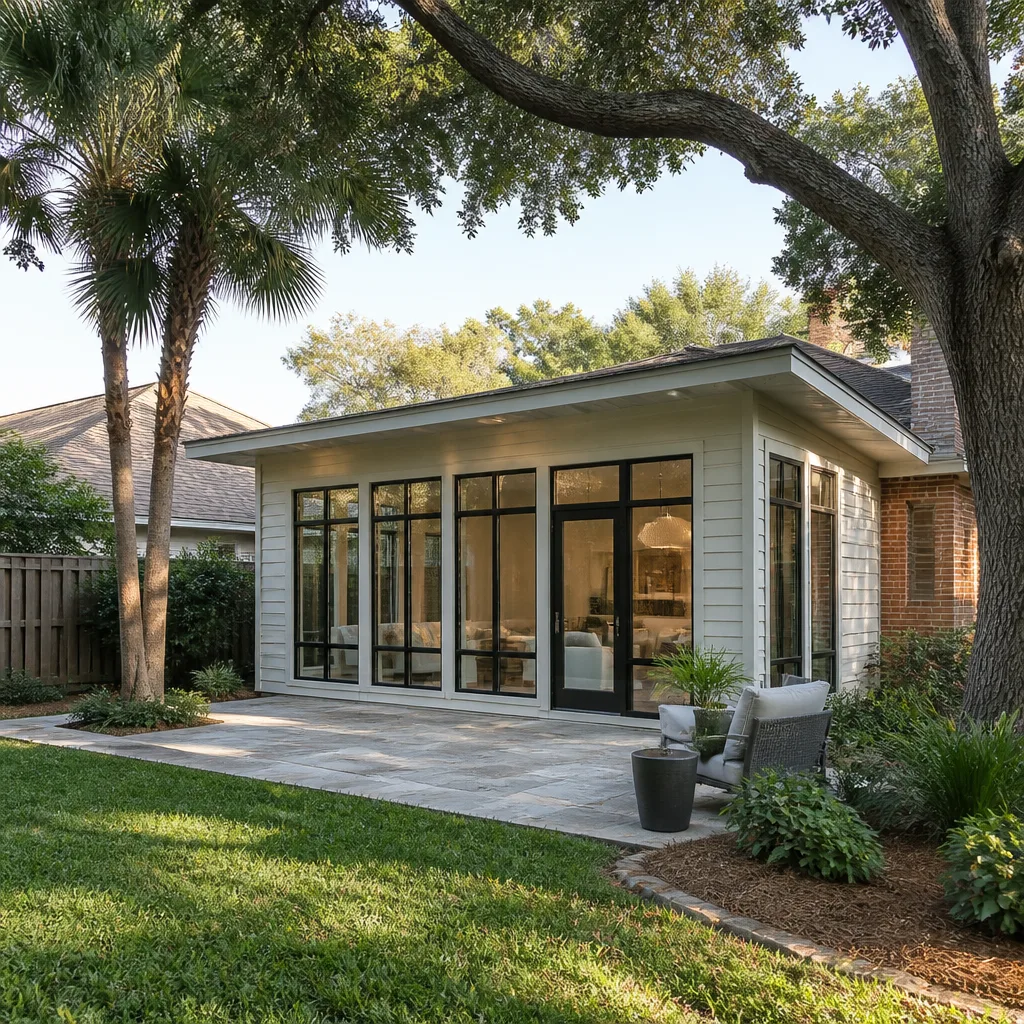
We install and build IKO-compatible home additions and ADUs across Long Beach, with typical project costs running $45,000 – $130,000 depending on square footage, foundation work, and finish level. Most homeowners call us when their existing addition starts showing real problems: a sagging roofline where the new structure ties into the old one, water staining at the transition point, or an ADU that never quite felt solid after the first contractor handed over the keys. You’re not looking for a mystery fix. You want someone who knows exactly where these structures fail and what it costs to make them right.
We’re an independent remodeling contractor serving Long Beach. We’re not affiliated with IKO, but we work with their roofing and waterproofing products regularly and understand how the pieces fit together on additions and ADUs.
Which IKO Models This Applies To
IKO makes roofing and waterproofing systems, not the structural framing itself. On a home addition or ADU, the IKO products you’re most likely dealing with are their shingle lines and underlayment systems. The common ones we see on Long Beach additions are IKO Dynasty, IKO Cambridge, and IKO Nordic performance shingles, plus their StormShield self-adhered underlayment used at roof-to-wall transitions.
Here’s the compatibility gotcha most homeowners miss: IKO’s shingle warranty changes based on which underlayment and ridge cap you pair with it. An IKO Dynasty shingle over a mismatched underlayment won’t fail tomorrow, but the manufacturer won’t stand behind it the same way. When we inspect a failing addition, we check the shingle, the underlayment beneath it, and the flashing at every transition point. All three have to work as one system. If we’re matching an existing roof on an addition, we’ll pull a shingle sample and measure the exposure to identify the exact line and color so the patch doesn’t look like a patch.
For the structural side of an addition or ADU, the brand question is less about IKO and more about what the original builder actually did. We see a lot of Long Beach additions from the 1960s through the 1980s built on shallow footings that were barely adequate then and are a real problem now. The framing brand doesn’t matter much. The foundation depth, the hold-down hardware, and the shear wall placement are what make or break it.
Styles & brands we work with







Signs Your IKO Home Addition or ADU Is Failing
- Water staining where the addition meets the original house. This is the number one failure point. The roof-to-wall transition wasn’t flashed correctly, and water has been working its way in for years. On Long Beach homes, this shows up as a brown line on the ceiling right at the seam.
- Doors or windows that stick in the addition but not the main house. Differential settling. The addition’s foundation is moving at a different rate than the original slab or perimeter foundation. You’ll notice it in the dry season when the clay soil under Long Beach homes shrinks and shifts.
- Visible sag or deflection in the addition’s roofline. Undersized rafters for the span, or the original builder skipped the ridge beam engineering. Walking the roofline from the street, you’ll see a dip that shouldn’t be there.
- Cracks at interior corners where the ADU wall meets the ceiling. Usually shear wall failure or inadequate tie-downs. Long Beach is in a high seismic zone, and an ADU built with minimal earthquake hardware shifts visibly within a few years.
- Musty smell in the ADU that never fully goes away. In a coastal climate like Long Beach, even a small roof leak or a missing vapor barrier under the slab feeds mold. By the time you smell it, moisture has been present for months.
See the difference
 Before
 After
After Before
 After
After Before
 After
AfterReplacement Cost & What’s Included
A complete home addition or ADU rebuild in Long Beach runs $45,000 – $130,000. Where you land depends on three things: square footage, whether we’re fixing the foundation or starting over, and your finish level. A 400-square-foot detached ADU with basic finishes and a standard foundation sits near the lower end. A 1,200-square-foot attached addition with a bathroom, new kitchen rough-in, and upgraded materials lands at the top.
Here’s the line-item breakdown for Long Beach, using the same price ranges we quote on-site:
- Home Addition: $45,000 – $130,000
- ADU Construction: $90,000 – $220,000
- Garage Conversion: $30,000 – $80,000
- Roof Replacement (addition or ADU roof): $8,000 – $20,000
- Roof Repair (isolated failure at the transition): $400 – $1,800
Every quote includes the written price before work starts. No change orders unless you ask for something different. The 365-Day Done Right Promise covers the workmanship for a full year, in writing. If something fails because of how we built it, we fix it. No argument, no invoice.
DIY or Call Us?
You can safely check a few things yourself: look for water staining at the transition, check if doors bind seasonally, walk the street and eyeball the roofline. That tells you if something’s wrong. It won’t tell you what it costs to fix.
Where DIY goes wrong is structural. We’ve torn into additions where a previous owner tried to sister a floor joist with a 2×4 and drywall screws. We’ve seen an ADU where someone “reinforced” the roof by adding a second layer of shingles on top of rotted sheathing. When the failure involves load path, foundation movement, or seismic hold-downs, this isn’t a weekend project. It’s a structural repair that needs a permit, an engineer’s letter in some cases, and someone who’s done it before.
Luca Romano has been doing this work across Long Beach for nearly two decades, from bungalow additions near Belmont Shore to garage conversions up by Bixby Knolls. The work tells you everything. The rest is just talking.
If you want a straight answer on whether your addition or ADU is worth repairing or needs to be rebuilt, call (562) 512-6480. We’ll come look and tell you what we’d do if it were our house.
FAQs
A properly built addition or ADU in Long Beach should last 50 years or more on the structural side, but the roofing and waterproofing components typically need attention every 15 – 25 years depending on coastal exposure. Homes closer to the water deal with more salt air, which shortens flashing life. Call (562) 512-6480 and we’ll give you an honest read on what’s left in yours.
Yes, often. If the foundation is sound and the framing is intact, we can address isolated failures like roof transition leaks, shear wall reinforcement, or settling correction without a full rebuild. The decision comes down to what we find when we open it up. Estimates are free, and you’ll get a written price either way.
Most isolated repairs take 2 – 5 days once we’re on-site. A full rebuild of an ADU or addition runs 8 – 16 weeks depending on scope, permits, and inspections. We’ll give you a timeline in writing before work starts, and the Relay Visibility Guarantee means live arrival times and photo updates throughout.
We stock common IKO shingle colors, StormShield underlayment, and transition flashing in our Long Beach shop for same-week repairs. Less common colorways and specialty ridge caps we order direct, typically 3 – 5 business days out. We also carry materials from KraftMaid, Cambria, and Silestone for interior finish work on ADUs and additions.
Written by Luca Romano, Owner, Sawyer Remodel Long Beach at Sawyer Remodel Long Beach, serving Long Beach and nearby areas.


