

Free written scope consultation - allowances, timeline, and change-order rules on paper before a single trade is scheduled
Tamko Home Additions & ADU: The Long Beach Owner’s Guide
Tamko home additions and ADU projects in Long Beach typically run $45,000 to $130,000 for a full addition, with detached ADU construction landing between $90,000 and $220,000 depending on square footage, foundation work, utility runs, and finish level. Most owners discover their project scope when a permit review, soil test, or existing-structure assessment reveals something the original plan didn’t account for: undersized footings, outdated electrical panels, or roof tie-in complications. We handle the full build from plans to final inspection, and we stock the common framing, flashing, and waterproofing materials needed to tie a Tamko-compatible roof or exterior into your new structure.
Which Tamko Models This Applies To
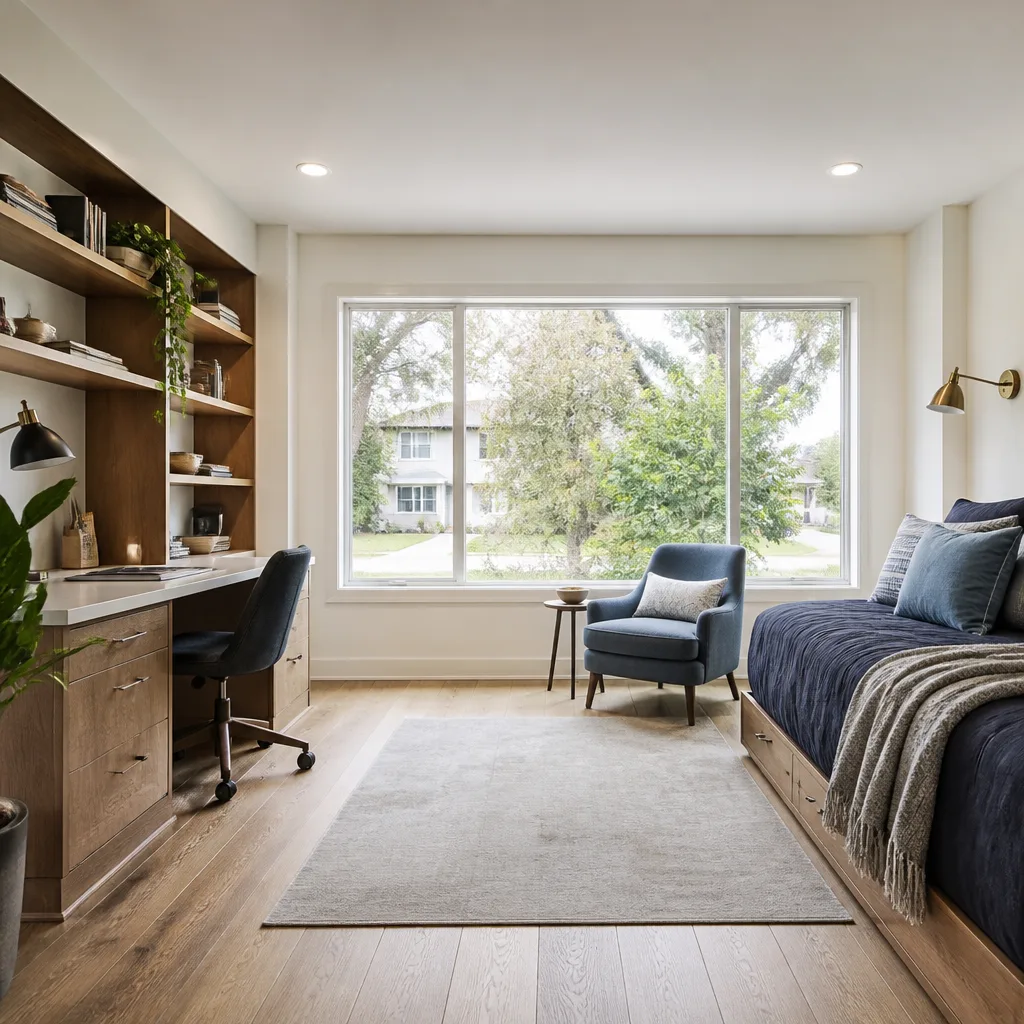
Tamko’s product line for additions and ADUs spans a few specific categories, and matching them correctly matters more than most homeowners expect. Their Heritage and Elite self-sealing asphalt shingle lines are the most common roofing products we tie into when adding square footage, and they require a specific underlayment and flashing profile to maintain the wind warranty. For the structure itself, Tamko’s EverGrain composite decking and railing systems sometimes show up in ADU porches and entryways, and their moisture barriers and ice-and-water shield products are what we spec under any new bathroom or kitchen floor in an addition.
The compatibility gotcha: Tamko shingles are sized for 5-5/8 inch exposure, not the 5-inch exposure you’ll find on some competitor lines. If you’re patching a roof where the addition ties in, getting the exposure wrong means rows won’t line up and you’ll see a visible seam running across the deck line. We also see aftermarket fasteners fail on Tamko’s composite decking when installers use generic clips instead of Tamko’s own hidden fastener system. For an OEM-vs-aftermarket decision, we recommend sticking with Tamko’s flashing kits at every penetration point (vents, plumbing stacks, skylight curbs) because their adhesive profile is matched to their shingle chemistry. Aftermarket flashing often works, but we’ve seen bond failures within five years in Long Beach’s salt-and-fog air.
Styles & brands we work with







Signs Your Tamko Home Additions & ADU Is Failing
- Water staining on ceiling drywall near the addition tie-in point. This almost always traces back to improper step flashing where the new roofline meets the old one. The flashing wasn’t woven into the existing shingle courses, and water creeps behind the underlayment during a good Long Beach rain.
- Composite deck boards lifting or cupping at the edges. Under-spec’d joist spacing or no ventilation underneath. Tamko’s EverGrain boards need a 12-inch on-center gap for airflow unless you’re using their solid profile. We see this on ADUs with low deck clearances in neighborhoods like Belmont Heights and Bixby Knolls.
- Cracks appearing where the addition wall meets the main house. This is usually differential settling: the new foundation moves independently because it wasn’t tied to the original with proper rebar dowels, or the soil under the new footing wasn’t compacted to spec. Long Beach’s older neighborhoods near the coast sit on a mix of fill and native soil, which makes this more common than homeowners expect.
- Subfloor feels soft or bouncy under new flooring in the ADU. Either the joist spacing was widened to save money, or the MoistureShield/Tamko underlayment got skipped. In a raised-floor ADU near the water table (Naples, Alamitos Bay), skipping a moisture barrier isn’t a shortcut, it’s a structural problem.
- Roof decking sagging between rafters where the new shingles went on. Tamko’s heavier laminated shingle lines add real weight per square foot. If the existing decking was 3/8-inch plywood instead of a 1/2-inch or thicker OSB, you’ll see visible dips within three seasons.
See the difference
 Before
 After
After Before
 After
After Before
 After
AfterReplacement Cost & What’s Included
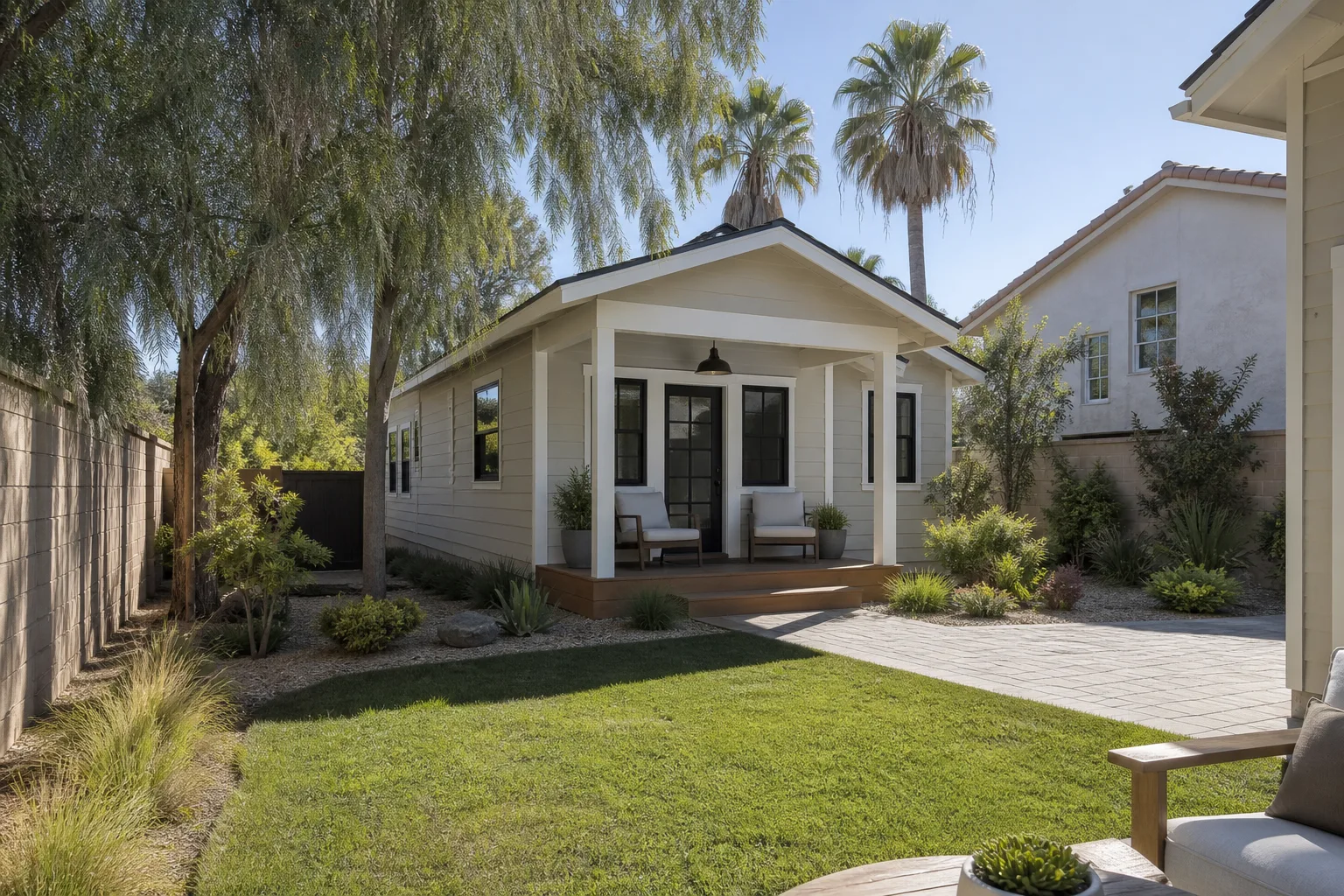
Here’s the honest range for Long Beach homeowners, because you should know the ballpark before you call anyone:
| Project Type | Long Beach Installed Range |
|---|---|
| Home Addition (any size) | $45,000 – $130,000 |
| ADU Construction (detached) | $90,000 – $220,000 |
| Garage Conversion to Living Space | $30,000 – $80,000 |
| Roof Tie-In for Addition (Tamko flashing, underlayment, shingle match) | $8,000 – $20,000 typical, folded into the main addition bid |
What drives the range is square footage, foundation type (slab vs. raised), utility run distance for the ADU, and permit complexity. A 400-square-foot detached ADU on a flat lot in Lakewood Village costs less than a hillside lot near Signal Hill where every footing needs extra engineering. Every bid we write is a written line-item price before any work starts: material cost separated from labor, permit fees listed out, and no change orders unless you sign off on them first. Our 365-Day Done Right Promise covers the build for a full year after final inspection, in writing.
DIY or Call Us?
Some things in a home addition or ADU build you can absolutely inspect yourself: check your existing panel’s amperage, confirm your lot’s zoning for ADU use with the city, and look at the exposed rafter tails where the new roof will tie in. Those are all things you can do over a weekend. But once work starts, the dangerous stuff is real: cutting into an existing roof means you’re working at height on a pitched surface with a saw, and a single bad flashing detail is the difference between a watertight build and a mold problem you won’t see until the ceiling stains show up two winters later. Foundation ties, shear wall anchors, and proper drainage at the new subgrade are not weekend projects. If you’re in Long Beach and want a price that holds, call (562) 512-6480. The work tells you everything. The rest is just talking.
FAQs
A properly tied-in Tamko roof on a new addition should last 25 to 30 years in Long Beach’s coastal climate, though we see sealant and flashing need attention around year 12 to 15 because of salt exposure and UV breakdown. The structure itself, with proper foundation and shear wall work, will outlast the roof.
Yes, in many cases. If the framing is sound and the problem is isolated to flashing, underlayment, or a settling joint at the wall line, we can re-flash, re-anchor, and re-waterproof without tearing down the addition. Call (562) 512-6480 for a free estimate and we’ll tell you what’s fixable.
Plan on 8 to 14 months for a detached ADU in Long Beach: 3 to 4 months for plans and city permit review, and 5 to 10 months of construction depending on size and utility trenching. We handle the permit submissions and inspections as part of the written price.
We keep Tamko underlayment, flashing kits, and sealing tape stocked at our Long Beach yard, along with EverGrain hidden fasteners for deck work. Shingle color matches we order per-project so the dye lot matches the existing roof. KraftMaid, Cambria, and Silestone materials for the interior are also available through our supplier partnerships.
Ready to get a price that’s in writing before anything gets torn apart? Call Sawyer Remodel Long Beach at (562) 512-6480 for a free estimate on your Tamko home addition or ADU project. We’re an independent remodeling contractor in Long Beach, not affiliated with Tamko, but we know their products well enough to install them right the first time.
Written by Luca Romano, Owner, Sawyer Remodel Long Beach at Sawyer Remodel Long Beach, serving Long Beach and nearby areas.


