

Last updated October 16, 2026








Free written scope consultation - allowances, timeline, and change-order rules on paper before a single trade is scheduled
Construction Permits, Codes & Inspections in CA: What You Need to Know
California adopted a new building code cycle in 2023, and Long Beach’s local amendments to it aren’t published anywhere obvious. That single fact has put more homeowners in a bind than any other issue we see. A homeowner checks the California Residential Code, thinks they’re clear, and then finds out Long Beach added its own requirement on top. This guide maps out the overlap between state code and city enforcement so you know exactly who’s asking for what before you open a single wall, and you can explore more guides & resources for your project.
Quick Answer
Building permits in Long Beach are required for any project that alters structure, adds square footage, or changes electrical, plumbing, or mechanical systems beyond like-for-like swaps. The California Building Standards Code (Title 24) sets the statewide minimum, but Long Beach enforces local amendments through its Development Services Department. Plan for permit fees, plan review time, and a sequence of inspections: rough, framing, insulation, and final.
Styles & brands we work with







Table of Contents
- State Code vs. Long Beach Amendments: Who Enforces What
- What Requires a Permit in Long Beach (and What Doesn’t)
- Permit Costs and Timeline for a Typical Remodel
- The Inspection Sequence: What Fails and Why
- Work Done Without Permits: The Retroactive Path
- Who Pulls the Permit? Why the Name Matters
- Common Mistakes to Avoid
- Frequently Asked Questions
State Code vs. Long Beach Amendments: Who Enforces What
The California Building Standards Code, known as Title 24, gets updated every three years. The current cycle took effect January 1, 2023. It includes 12 parts covering everything from building (CBC) to residential (CRC) to electrical (CEC) to energy (Title 24 Part 6). But here’s what trips people up: local jurisdictions can amend the state code. They can’t make it weaker, but they can absolutely make it stricter or more specific. Long Beach does both.
Long Beach operates as its own building department through the Development Services Department. When the state publishes a new code cycle, Long Beach reviews it and adopts local amendments through a city ordinance. These amendments cover things like seismic retrofitting requirements for older buildings, specific setback rules in coastal zones, and stricter energy efficiency standards tied to the city’s Climate Action Plan.
In practice, this means a homeowner in Long Beach can’t just download the state code and assume they’re compliant. You have to check the Long Beach Municipal Code (Title 18) alongside it. A few examples where Long Beach departs from the state baseline:
- Soft-story retrofits: Long Beach has its own mandatory retrofit program for wood-frame buildings with weak ground floors, going beyond what the state requires for new construction.
- Coastal zone rules: Properties in the coastal zone south of Ocean Boulevard face additional review from the California Coastal Commission, which layers on top of the city’s own planning review.
- Water conservation: Long Beach enforces stricter irrigation and outdoor water use standards than the state’s CalGreen baseline, affecting any remodel that touches landscaping or exterior plumbing.
- Electrical panel upgrades: The city’s amendments to the CEC require a main service panel inspection even when you’re only adding a subpanel, which catches some homeowners off guard.
For a full picture, check the general contractor requirements in Long Beach guide we maintain. It covers how these code layers affect the daily reality of pulling permits and passing inspections.
What Requires a Permit in Long Beach (and What Doesn’t)
The question we hear most often is deceptively simple: “Do I even need a permit for this?” The answer depends on scope, not price. California sets the baseline in the California Residential Code (CRC) Section R105, and Long Beach follows it closely with a few local twists.
Here’s the working list based on what we see pass through the Long Beach permit counter:
Work that requires a permit
- Any structural change: removing a wall, cutting into a beam, opening a load-bearing span, or adding a window where one didn’t exist.
- Electrical beyond a like-for-like swap: replacing an outlet or light fixture is exempt. Adding a new circuit, moving a panel, or running new wire is not.
- Plumbing beyond fixture replacement: swapping a faucet or toilet is fine. Moving a drain line, adding a bathroom, or relocating a water heater requires a permit and inspection.
- Mechanical work: installing a new furnace, air conditioner, or ductwork, including mini-split systems.
- New or replacement roofing when the underlying sheathing is replaced or when the roof structure changes. A simple shingle overlay on an intact deck may not trigger it, but any tear-off that exposes decking usually does.
- Water heater replacement when the location changes, the fuel type changes, or the tank size changes. A straight swap in place is often exempt, but Long Beach wants an inspection on anything that touches gas lines.
- Any addition to square footage, including sunrooms, enclosed patios, and garage conversions.
Work that is generally exempt
- Cosmetic finishes: paint, flooring, trim, cabinet refacing without layout changes, countertop replacement.
- Like-for-like fixture swaps: one toilet for another in the same spot, one light fixture for another on an existing junction box, one faucet for another.
- Fence repairs under 6 feet high that don’t offer a new boundary or encroach on a property line.
- Deck boards and railing repair when the structural frame is untouched.
- Minor concrete flatwork like sidewalks and driveways under a certain square footage, though Long Beach has specific encroachment rules for anything in the public right-of-way.
One thing to note: the moment a “cosmetic” project uncovers a structural or code issue, the scope changes. If you pull back drywall and find rotted framing, you’re now in permit territory whether you planned for it or not. That’s actually a reason to have a contractor walk the space before you finalize a budget. A home renovation in Long Beach often starts as a small project and gets bigger the moment the walls come open.
Permit Costs and Timeline for a Typical Remodel
Permit fees in Long Beach are calculated based on project valuation, not a flat rate. The city uses a fee schedule published in the municipal code, and it’s updated periodically. For a typical bathroom remodel with no structural changes, plan on permit fees in the $300 to $800 range. A whole-home renovation with structural work can run $2,000 to $6,000 in permit fees alone. A simple water heater swap permit might be $100 to $200.
Plan review adds time. Here’s what a realistic timeline looks like for a typical remodel in Long Beach:
- Permit application submission: 1 to 3 days if your plans are complete. Incomplete plans get kicked back, and every resubmission adds a week.
- Plan review: 2 to 4 weeks for residential remodels without structural changes. Structural or coastal zone review can push this to 6+ weeks.
- Corrections and resubmission: 1 to 2 weeks per round. Most plans go through at least one correction cycle.
- Permit issuance: 1 to 3 days after final approval and fee payment.
- Inspections: Scheduled throughout construction, typically 24 to 48 hours after you request one.
A bathroom remodel from application to approved plans is usually 4 to 8 weeks. A whole-home renovation with structural work can run 2 to 4 months before the first hammer swings. If you’re weighing the cost of a permit against skipping it, remember that the fee is usually the cheapest part of the project. The real cost of permits is time, not money.
The Inspection Sequence: What Fails and Why
Long Beach follows the standard California inspection sequence, but the inspectors here have specific priorities. Here’s the order you’ll work through on a remodel that touches structure, electrical, and plumbing:
Step 1: Rough Inspection
This happens after framing, plumbing, electrical, and mechanical work are in place but before any insulation or drywall. The inspector checks the bones of the work. What fails most often at this stage in Long Beach:
- Improper nailing patterns on shear walls. The city is in a seismic zone, and inspectors check nail spacing closely.
- Electrical boxes not secured or overloaded. Multiple circuits sharing a neutral without a common trip breaker.
- Plumbing vents not sloped correctly or not terminating above the roof line.
- Blocking missing where cabinets, grab bars, or fixtures will be mounted.
Step 2: Framing Inspection (When Structural Work Is Involved)
This sometimes merges with rough inspection, but Long Beach splits it when the project involves load-bearing changes, shear wall installation, or any beam or header work. The inspector checks hold-down hardware, anchor bolts, and the connections that keep the house standing. Common failure points:
- Hold-downs missing or under-sized.
- Headers not bearing fully on stud packs or cripple walls.
- Shear wall panels not continuous from sill to top plate.
Step 3: Insulation Inspection
This catches more homeowners off guard than any other stage. Long Beach enforces Title 24 energy standards strictly, and the inspector will check:
- Insulation R-value meets the climate zone requirement. Long Beach is Climate Zone 6, which calls for R-19 in walls and R-38 in attics for most remodels.
- Insulation is installed without gaps, compression, or voids around electrical boxes.
- Air sealing at top plates, penetrations, and can lights. Yes, they look.
Step 4: Final Inspection
This is the last step before the permit is signed off. The inspector verifies everything works, everything is safe, and nothing was covered up that shouldn’t have been. Common failures:
- GFCI protection missing within 6 feet of sinks, tubs, and outdoor outlets.
- Smoke and carbon monoxide detectors not hardwired and interconnected as required by current code.
- Bath fan not vented to the exterior. Venting into the attic is an instant fail.
- Anti-tip brackets missing on ranges and water heaters.
You can schedule inspections by phone or through the city’s online portal. An inspector will typically give you a 2 to 4 hour arrival window, though the city has been moving toward narrower windows for specific inspection types. If a stage fails, you fix the issue and call for a re-inspection. Each re-inspection is usually free for the first round, then a nominal fee after that.
Work Done Without Permits: The Retroactive Path
This is the situation we get called to fix more than any other: a homeowner bought a house with unpermitted work, or did work themselves without pulling a permit, and now it’s caught up with them. Maybe it’s a resale disclosure. Maybe it’s an insurance claim. Maybe a neighbor reported it. Whatever the route, here’s what happens in Long Beach.
The city does offer a retroactive permit process. It’s not a punishment, and in most cases it’s a straightforward path to compliance. The steps:
- Disclose the work: Call the Long Beach Development Services Department and explain what was done and when. You won’t get in trouble for calling. You will get in trouble if they find it after you don’t call.
- Submit plans for the work as it exists: This is called an “as-built” plan. It documents what was actually built, not what was originally intended.
- Schedule an as-built inspection: An inspector comes out and checks the work against current code. Older work may not meet current code, and that’s the catch: you’re not grandfathered in. The work has to meet the code in effect today.
- Correct any deficiencies: If the inspector finds issues, you’ll get a correction list. Fix the items, call for re-inspection.
- Receive a retroactive permit and final sign-off: Once everything passes, the work is legal, documented, and part of the public record.
There are two hard costs here. First, the permit fees apply, plus a potential late fee or penalty depending on how long the work has been in place. Second, the correction list can be expensive. Unpermitted work is often unpermitted because someone cut corners, and the retroactive process means bringing everything up to code. In our experience with bathroom remodeling in Long Beach, unpermitted bathrooms are the most common retroactive permit we handle, usually because the original work was done by a handyman or the homeowner themselves.
On resale, unpermitted work in California must be disclosed by the seller. It can affect the appraisal, kill a deal, or force a price reduction. Lenders may refuse to finance a home with unpermitted additions, especially if square footage in the listing includes the unpermitted space. If you’re buying, check the county assessor’s records against the listing’s square footage claim. If they don’t match, a permit search is the next step.
Who Pulls the Permit? Why the Name Matters
There are two ways to pull a permit in Long Beach: as the homeowner (an owner-builder permit) or through a licensed contractor, a choice we break down in our DIY vs Professional Construction: The Long Beach Homeowner’s Decision Guide. The choice has legal weight.
Owner-builder path: You can pull a permit under your own name as long as you own the property and it’s your primary residence. This saves the contractor markup on permit fees (most contractors add an administrative percentage), but it also puts the liability on you. If the work fails an inspection, you’re the one named on the correction notice. If a worker gets hurt on the job, you’re the employer of record for workers’ compensation purposes. In California, an owner-builder who hires workers must verify their own workers’ comp coverage or face personal liability. And if you sell the house within a year of the permit’s final sign-off, the buyer’s lender may require additional documentation.
Contractor-pulled permit: When a licensed contractor pulls the permit, their name and license number are on the record. The contractor is responsible for scheduling inspections, meeting code, and correcting any failures, all items on our General Contractor Maintenance Checklist for Long Beach Homeowners. The lien and liability risk shifts to the contractor. Most California contractors also carry general liability insurance that covers the work in progress.
There’s also a legal guardrail: under California Business and Professions Code 7044, an owner-builder permit can’t be used as a loophole for an unlicensed contractor to do work. If you pull the permit and then pay an unlicensed individual to do the work, you’ve both created a legal problem. If a contractor asks you to pull the permit so they don’t have to be named, that’s not a contractor you want on the job. Licensed contractors pull their own permits. At Sawyer Remodel Long Beach, every permit on every project carries our license number and our liability, not yours.
See the difference
 Before
 After
After Before
 After
After Before
 After
AfterChoosing Materials That Pass Inspection the First Time
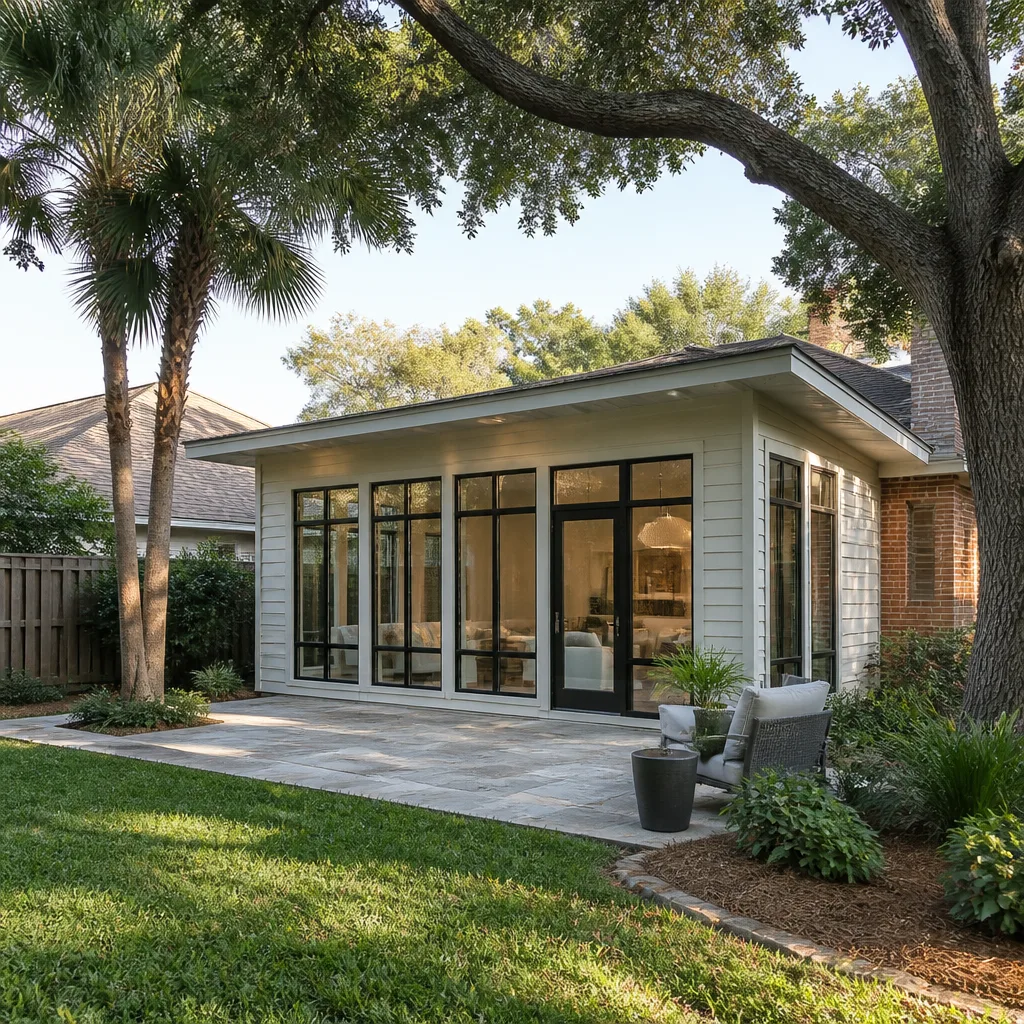
The materials you select early in a remodel affect whether you pass inspection later. Some materials trigger additional code requirements. Some make the inspector’s job easier because they’re familiar and well-documented. Here’s how that plays out in Long Beach.
For exterior hardscape and retaining walls, concrete products from manufacturers like Quikrete and Sakrete come with published compressive strength data that meets Long Beach’s engineering requirements for non-structural walls under 4 feet. If you’re building a retaining wall taller than that, the city requires an engineered plan regardless of the product, but using known-brand materials with spec sheets removes guesswork from the plan review. For paver installations, Cambridge Pavers and Oldcastle offer permeable paver systems that help meet Long Beach’s stormwater management requirements for driveways and patios, which is a real consideration in coastal zones where runoff rules are stricter.
On the structural side, using documented brands matters for framing lumber, engineered beams, and anchor hardware. The inspector doesn’t care about brand loyalty; they care about whether the material has a published load rating and whether it’s installed per the manufacturer’s spec. When a plan references a generic product with no documentation, plan review takes longer and the inspector has less basis to sign off. When a plan references a specific, rated product, the approval path is faster. That’s one reason we spec known brands rather than whatever the supply yard happens to have on the shelf.
Common Mistakes to Avoid
- Assuming the state code is the final word. Long Beach amendments are real and enforceable. Check the Long Beach Municipal Code Title 18 before you assume anything is exempt.
- Not budgeting for permit time. A 4-week plan review is normal in Long Beach. If your timeline doesn’t include it, your project start date slips before you ever swing a hammer.
- Covering up work before inspection. Drywall, insulation, or tile over un-inspected electrical or plumbing means tearing it back out. Never, ever cover a rough stage before it’s signed off.
- Pulling a permit as owner-builder without understanding the liability. The inspection failure lands on the name on the permit. If that’s you, the corrections are yours.
- Letting a contractor talk you out of a permit. A contractor who says “we don’t need a permit for this” is usually wrong, or avoiding the inspection, or both. The permit protects you, not just the city.
- Underestimating correction costs on retroactive permits. As-built work often needs upgrades to meet current code. Budget for it before you start the process.
When to Call a Professional
If your project involves structural changes, electrical work beyond outlet swaps, plumbing beyond fixture swaps, or any square footage addition, you need a licensed contractor who knows the Long Beach inspection process. The code book is 2,000 pages, and the local amendments live in a separate document. A contractor who works in Long Beach weekly knows what the city’s inspectors flag, what they let slide, and how to sequence work so inspections don’t stall the job. If you inherited unpermitted work, a professional can assess the correction scope and give you an honest number before you’re knee-deep in a retroactive permit. We offer free estimates in Long Beach. If you want a written price before any work starts, call Sawyer Remodel Long Beach at (562) 512-6480.
Frequently Asked Questions
A typical bathroom remodel permit in Long Beach runs $300 to $800, while a whole-home renovation with structural work can run $2,000 to $6,000 in permit fees alone. The exact amount is based on project valuation and the city’s current fee schedule. Call (562) 512-6480 and we can give you a realistic ballpark for your specific scope before you file.
Plan review for a residential remodel without structural changes typically takes 2 to 4 weeks from submission. Projects with structural work or coastal zone review can take 6 weeks or longer. Budget a full 4 to 8 weeks from application to issued permit for a typical bathroom remodel.
As an owner-builder on your own primary residence, you can perform electrical and plumbing work, but it still has to be permitted and inspected, and it has to pass code. The inspector won’t cut you slack for being a DIYer. If the work fails, you fix it on your own dime and schedule re-inspection.
Long Beach will require you to file a retroactive permit, pay the fees, and bring the work up to current code through an as-built inspection. The correction work is often more expensive than pulling the permit would have been in the first place. Unpermitted work also becomes a disclosure issue when you sell.
Whoever pulled the permit is responsible. If a contractor pulled the permit, the contractor’s name is on the correction list and the contractor is responsible for fixing the work. If you pulled it as an owner-builder, you are. This is why the name on the permit matters.
A simple shingle overlay on an intact deck may not require a permit, but a full tear-off that exposes the deck, changes the roof structure, or involves new sheathing typically does. If you’re replacing flashing, decking, or the structural roof components, plan on a permit and an inspection. Call (562) 512-6480 for a free estimate if you’re not sure which category your roof falls into.
The Bottom Line
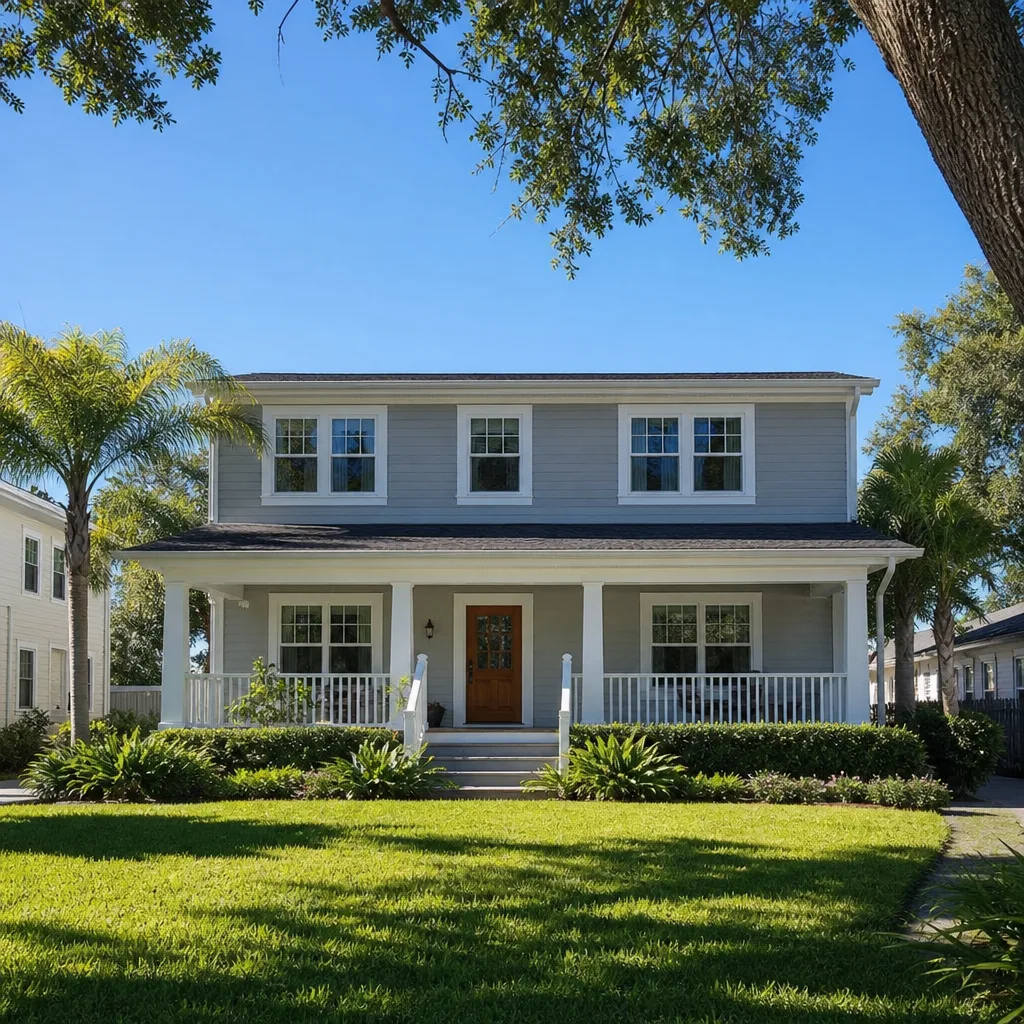
California’s building code is the starting point, not the finish line. Long Beach’s local amendments sit on top of the state code in places most homeowners never think to check, and the gap between the two is where projects stall, inspections fail, and budgets break. Knowing what requires a permit, what the inspection sequence looks like, and who’s liable when something goes wrong puts you ahead of most remodels before they begin. If you’re planning work, pull the permit, plan for the timeline, and don’t cover anything up until an inspector signs off. If you want a contractor who carries the permit, the liability, and the written price, call Sawyer Remodel Long Beach at (562) 512-6480 and schedule a free estimate.
Written by Luca Romano, Owner at Sawyer Remodel Long Beach, serving Long Beach since 2005.


