
Free written scope consultation - allowances, timeline, and change-order rules on paper before a single trade is scheduled
Barrette Home Additions & ADU: The Long Beach Owner’s Guide
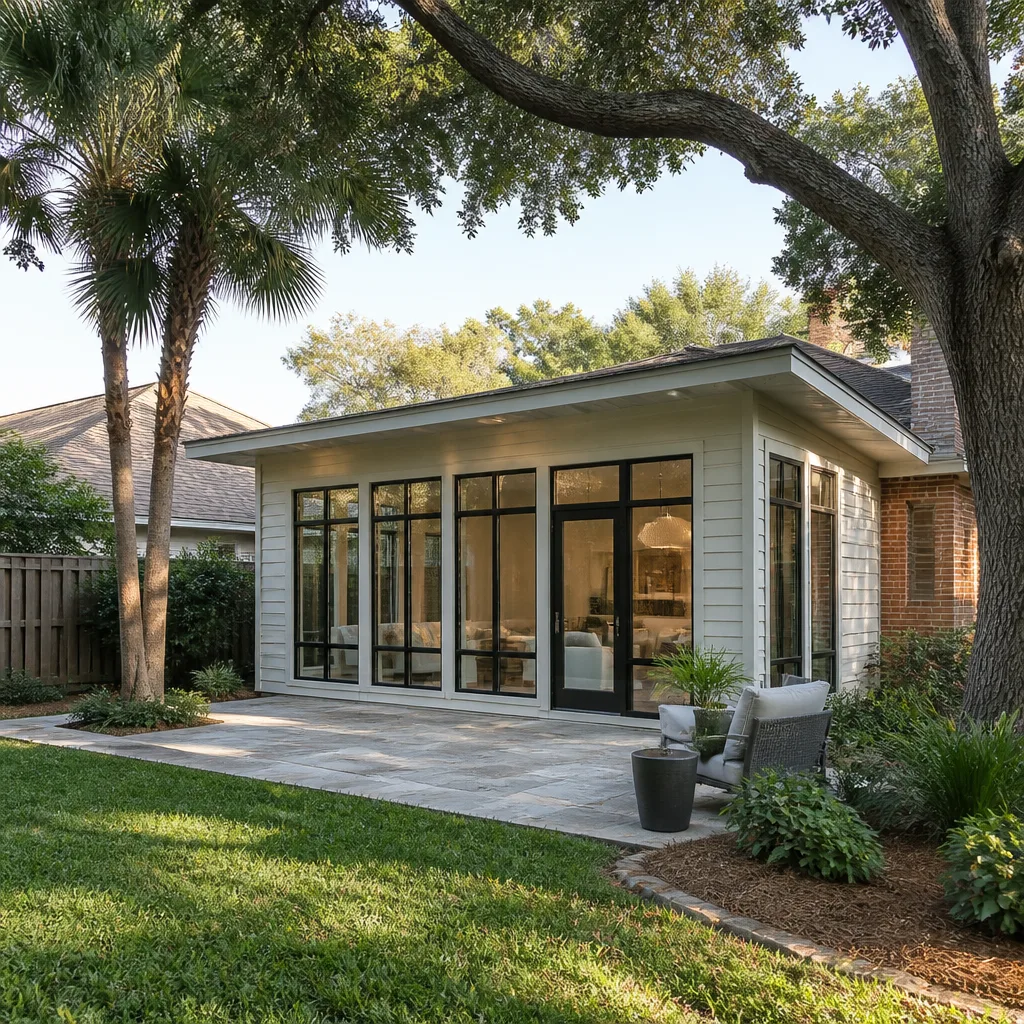
If you already have a Barrette outdoor structure and you’re planning to convert, expand, or add living space around it, the work typically runs $45,000 – $130,000 in Long Beach depending on square footage, foundation type, and whether you’re tying into existing utility lines. We handle Barrette-compatible additions and ADU projects from the first site visit through final inspection, and we’ll give you a written price before any tool hits the property. Most owners realize they need help when their existing Barrette structure starts pulling away from its slab anchors or the roofline dips where an addition should tie in.
Most owners discover the problem when a door starts sticking, a corner post bows outward, or water pools where the old slab meets the paver line. Those aren’t cosmetic issues. They’re structural signals that the original install wasn’t engineered for what you want to add next. We see it on Barrette structures all over Long Beach, especially within a few miles of the coast where salt air and shifting clay soil do their work on anchors and footings.
Which Barrette Models This Applies To
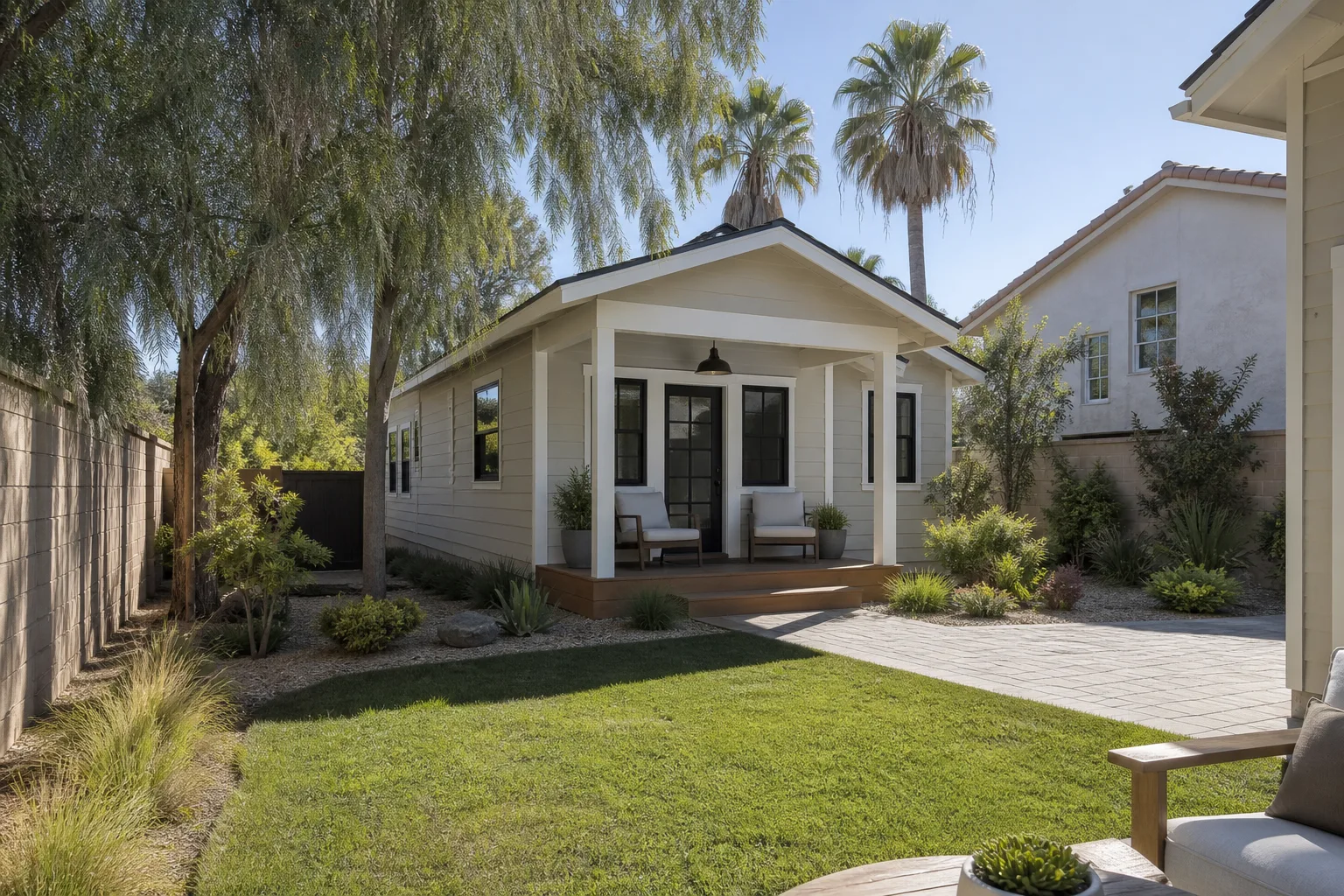
Barrette makes a range of outdoor structures, gazebos, pergolas, and pavilions, and the compatibility story changes depending on what you’re planning. An addition tied to a vinyl or aluminum Barrette pergola is a different animal than an ADU built next to a wood-timber Barrette pavilion. You need to know what you’re working with before anyone pours concrete.
Here’s what matters. First, check the manufacturer label on the inside of the post or beam. Barrette stamps their model numbers there, and that number tells us what the structure was rated for at the time it was built. Second, measure your post spacing. Older Barrette kits commonly run 8-foot or 10-foot post centers, and that spacing dictates how we frame any connecting wall or roofline. Third, know that Barrette’s vinyl and aluminum lines use different anchoring systems than their wood lines, and a foundation spec that works for one won’t work for the other.
We treat the Barrette name as a starting point, not a straitjacket. Sawyer Remodel Long Beach is an independent general contractor and not affiliated with Barrette. That means we can pair your existing structure with framing, roofing, and finish materials from manufacturers we trust, like GAF for roofing and James Hardie for siding. You’re not locked into any single supplier’s universe.
Styles & brands we work with







Signs Your Barrette Home Additions & ADU Is Failing
- Post bases pulling away from concrete anchors. This is the most common failure in Long Beach’s marine climate. The galvanized anchors corrode faster near the coast, and the wood or aluminum post starts to lift. Once that happens, the load path is broken and any addition tied to the structure inherits the problem.
- Doors that stick or swing on their own. A Barrette structure that’s settled unevenly will transmit that movement to the door frame. If a door that used to close clean now catches at the top, the frame is out of square and the structure is moving.
- Roofline dipping at one corner. Water should sheet off evenly. If one corner holds water after rain, the beam or header above it has sagged. That’s a load-bearing issue, not a gutter issue.
- Gaps where the structure meets a wall or slab. A gap that opens and closes with the seasons tells you the foundation underneath is moving. Long Beach has expansive clay soil in parts, and it shifts noticeably between wet winters and dry summers.
- Visible rust or powder on brackets and fasteners. Coastal salt air eats unprotected steel. If you see white powder on aluminum or rust bloom on steel, the hardware is degrading. It will fail eventually, and that failure will cost more later than fixing it now.
See the difference
 Before
 After
After Before
 After
After Before
 After
AfterReplacement Cost & What’s Included
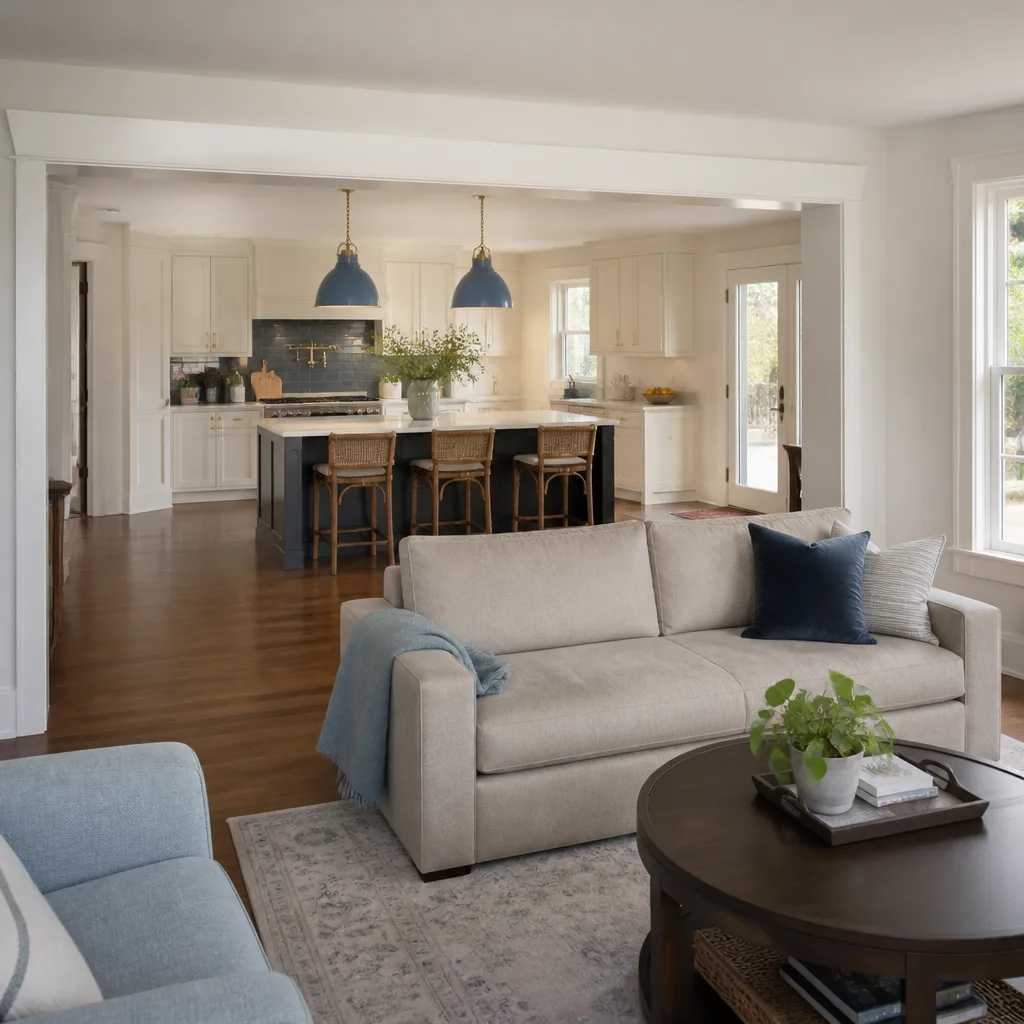
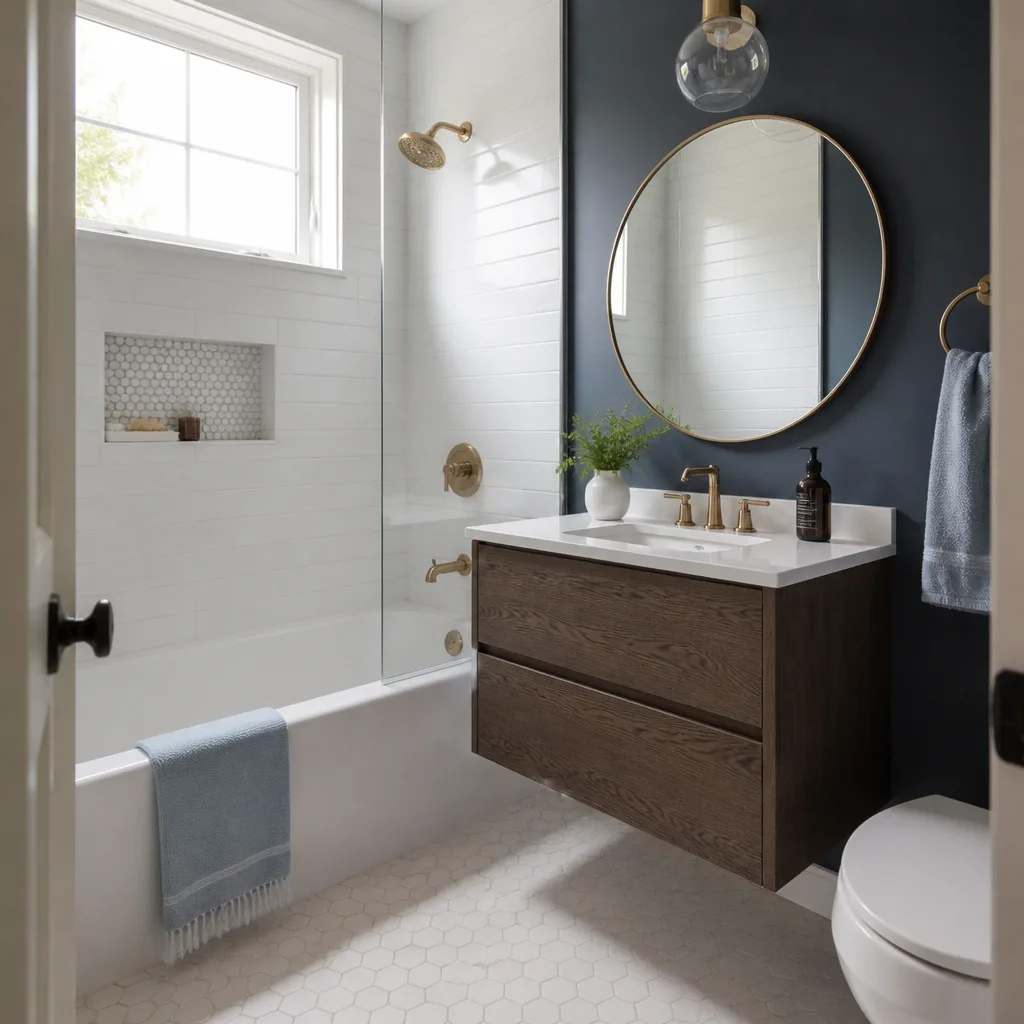
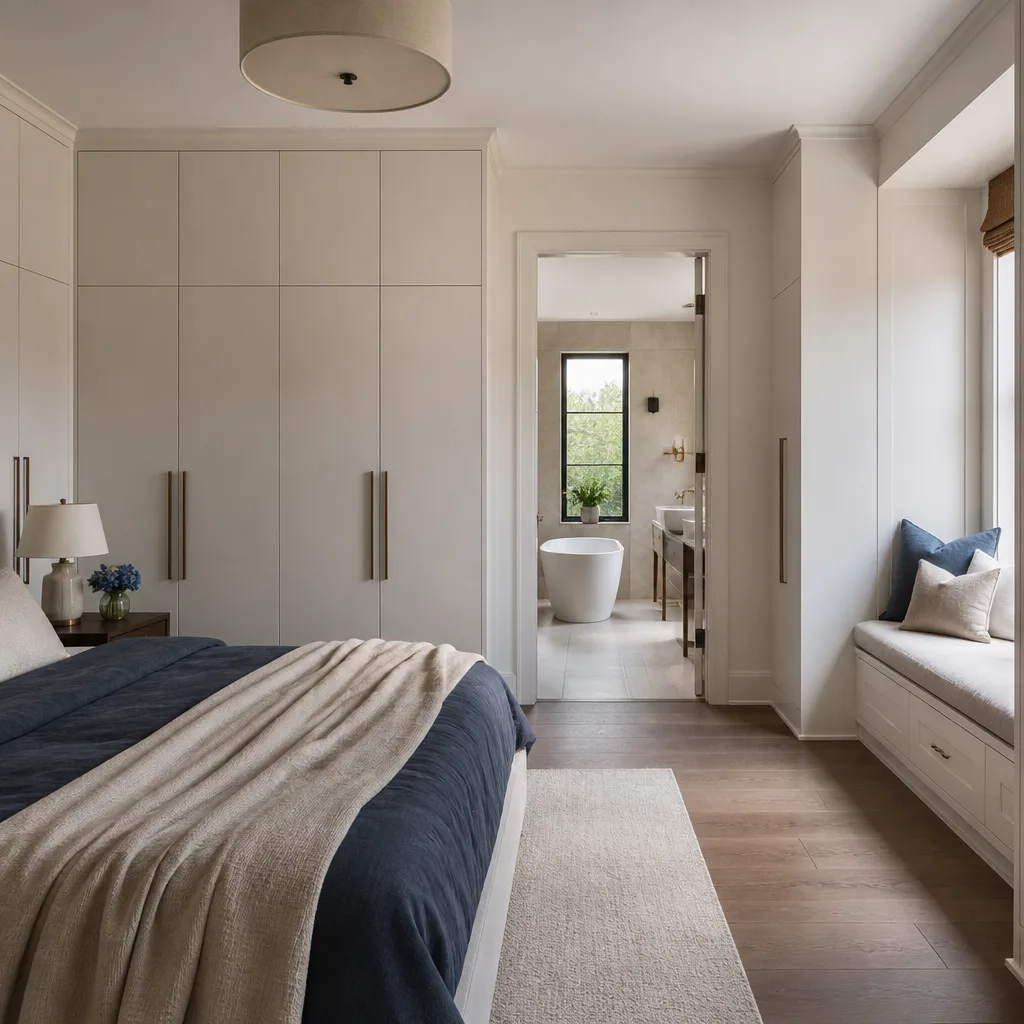
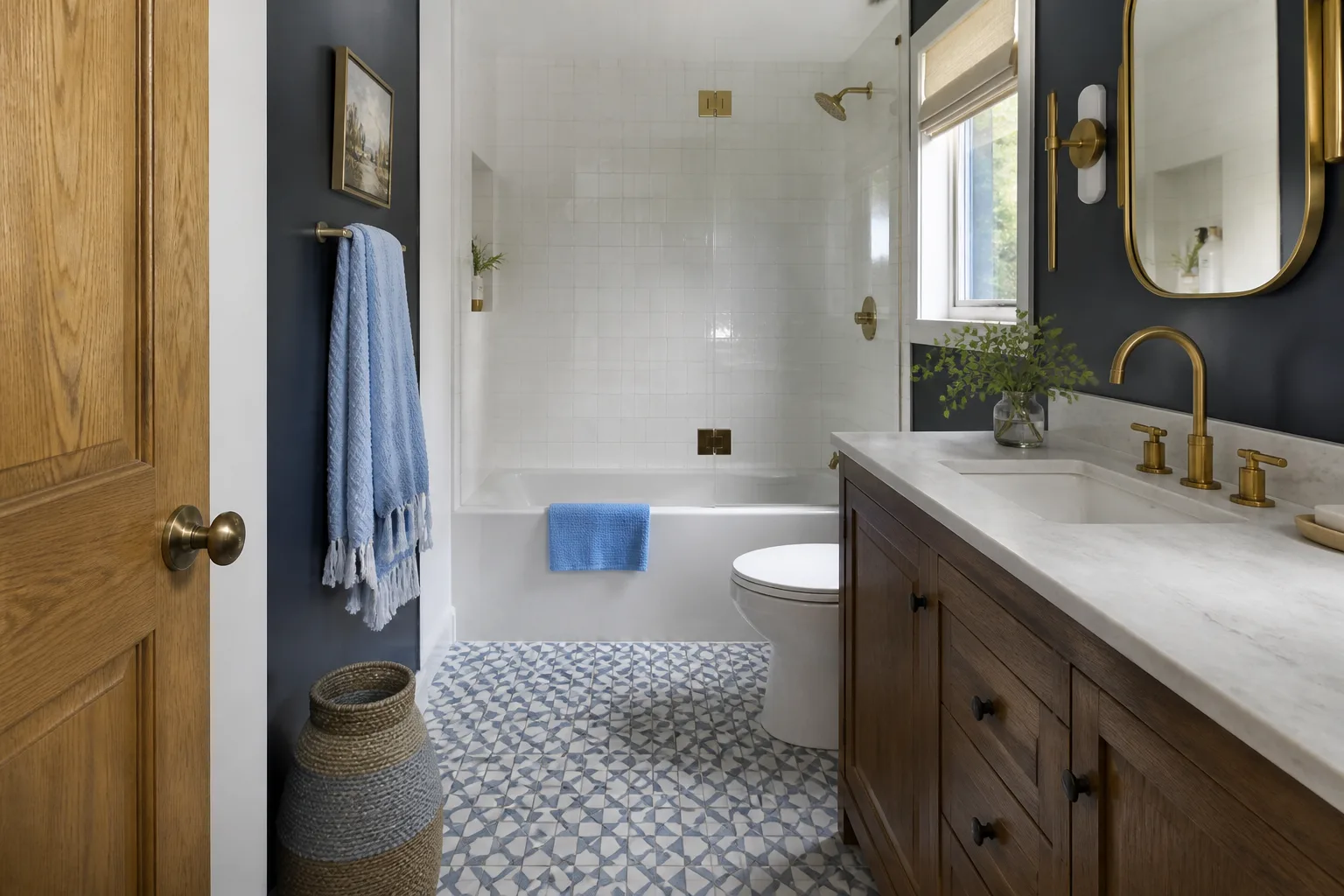
In Long Beach, a home addition tied to your existing Barrette structure runs $45,000 – $130,000 installed. A full ADU construction project runs higher, $90,000 – $220,000, depending on whether you’re building from scratch or converting an attached garage that shares a wall with the Barrette structure.
What drives the range? Square footage, foundation work, whether you need structural upgrades to the existing Barrette posts and beams, utility runs, and finish level. A simple sunroom addition on an existing slab with no plumbing lands at the lower end. A permitted ADU with a bathroom, kitchenette, and separate electrical service lands at the top.
Every quote we write includes parts, labor, permits, and clean-up, and the price on the quote is the price you pay. No change orders unless you change the scope. We also include our 365-Day Done Right Promise in writing: if something wasn’t done right, we make it right.
DIY or Call Us?
You can safely check the visual basics: Look at the post bases for rust, check for water pooling, note any door sticking, and take photos from all four corners. Don’t climb on the roof, don’t loosen any anchors, and don’t try to shim a post yourself. That part of the job is genuinely dangerous. Shimming a load-bearing post wrong shifts the entire structure’s weight, and the failure doesn’t announce itself before it happens.
Luca Romano has seen enough Long Beach structures fail because someone tried to level a corner with a few wedges from the hardware store. If you’re seeing any of the signs above, call (562) 512-6480 and we’ll send a technician who knows exactly what to look for.
FAQs
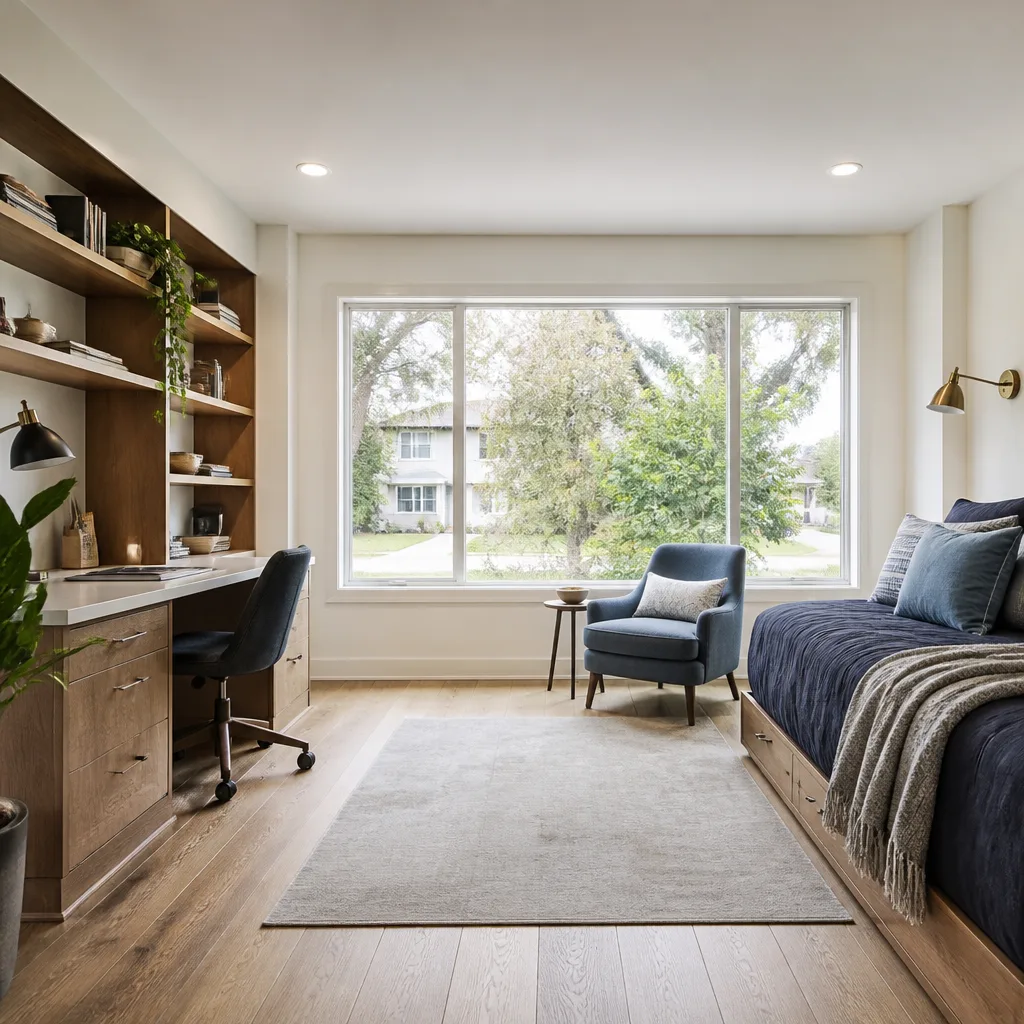
Most Barrette-tied additions run 8 to 16 weeks depending on permitting and scope. A full ADU usually runs 4 to 8 months from design to final inspection. Call (562) 512-6480 for a project-specific timeline. Estimates are free.
In most cases the structure can be repaired and reinforced, especially if the failure is at the anchors or fasteners. If the posts or headers themselves are rotted or cracked, replacement is the more honest call. We’ll tell you which one applies after a site visit.
Yes. We pull permits, schedule inspections, and don’t start work until the permit is issued. Long Beach has specific ADU requirements and we handle the full process.
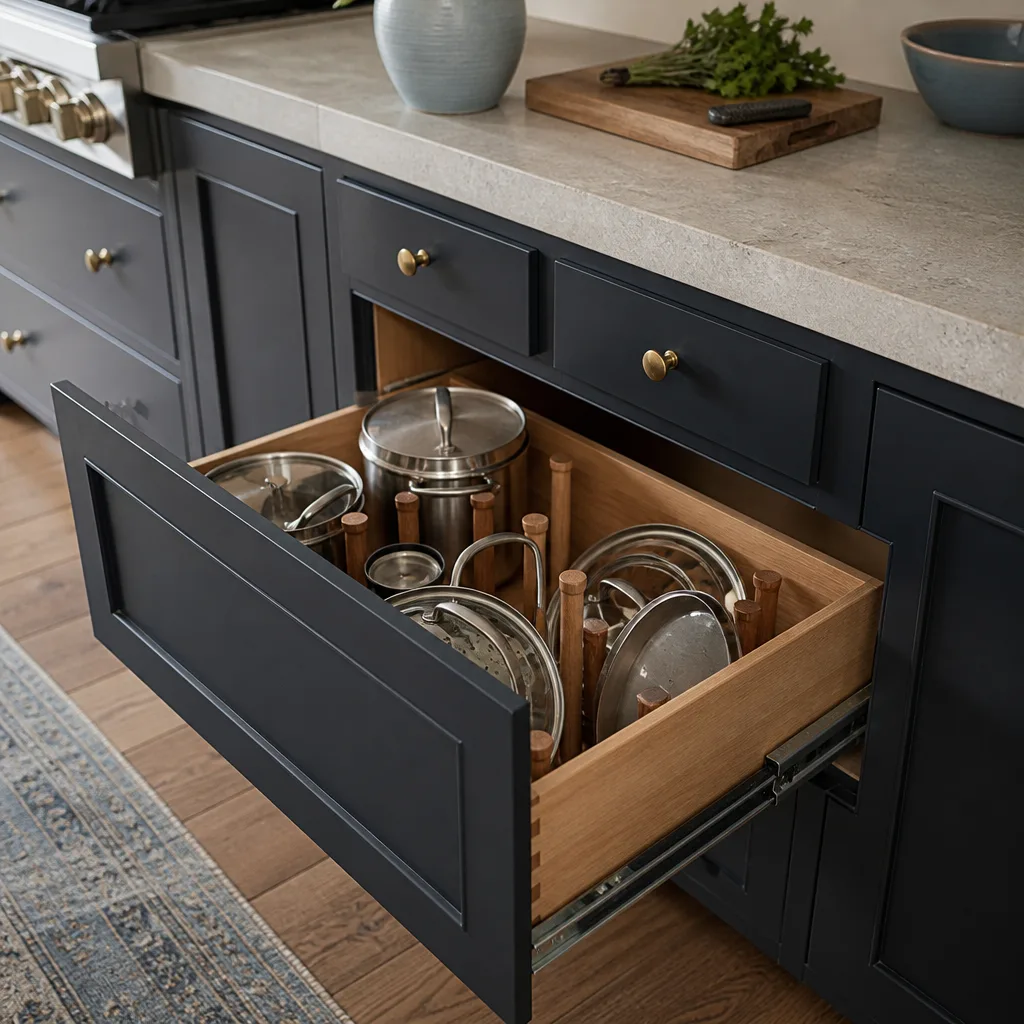
Yes. We stock parts and work with KraftMaid and Cambria for cabinetry and surfaces, plus Silestone for countertops. We’re brand-agnostic when it comes to materials, which means you get the right part for the job, not whatever’s on clearance.
Written by Luca Romano, Owner, Sawyer Remodel Long Beach at Sawyer Remodel Long Beach, serving Long Beach and nearby areas.


