

Free written scope consultation - allowances, timeline, and change-order rules on paper before a single trade is scheduled
Dvele Home Additions & ADU: The Long Beach Owner’s Guide
Dvele home additions and ADU projects in Long Beach typically run $45,000 to $130,000 installed, depending on square footage, foundation work, and how much of the Dvele system you’re extending. We stock Dvele-compatible components and can usually start the parts-matching and planning phase the same week you call. Most homeowners reach out after noticing water intrusion at a connection point, a failing seal, or a door that no longer closes square. These are the early warnings that the factory-tight Dvele envelope has been compromised somewhere, and Long Beach’s salt air and occasional heavy rain will find that opening fast.
Sawyer Remodel Long Beach is an independent service provider, not affiliated with Dvele. That said, we’ve worked on enough Dvele homes across Long Beach to know where these systems fail first and what it takes to make them right.
Which Dvele Models This Applies To
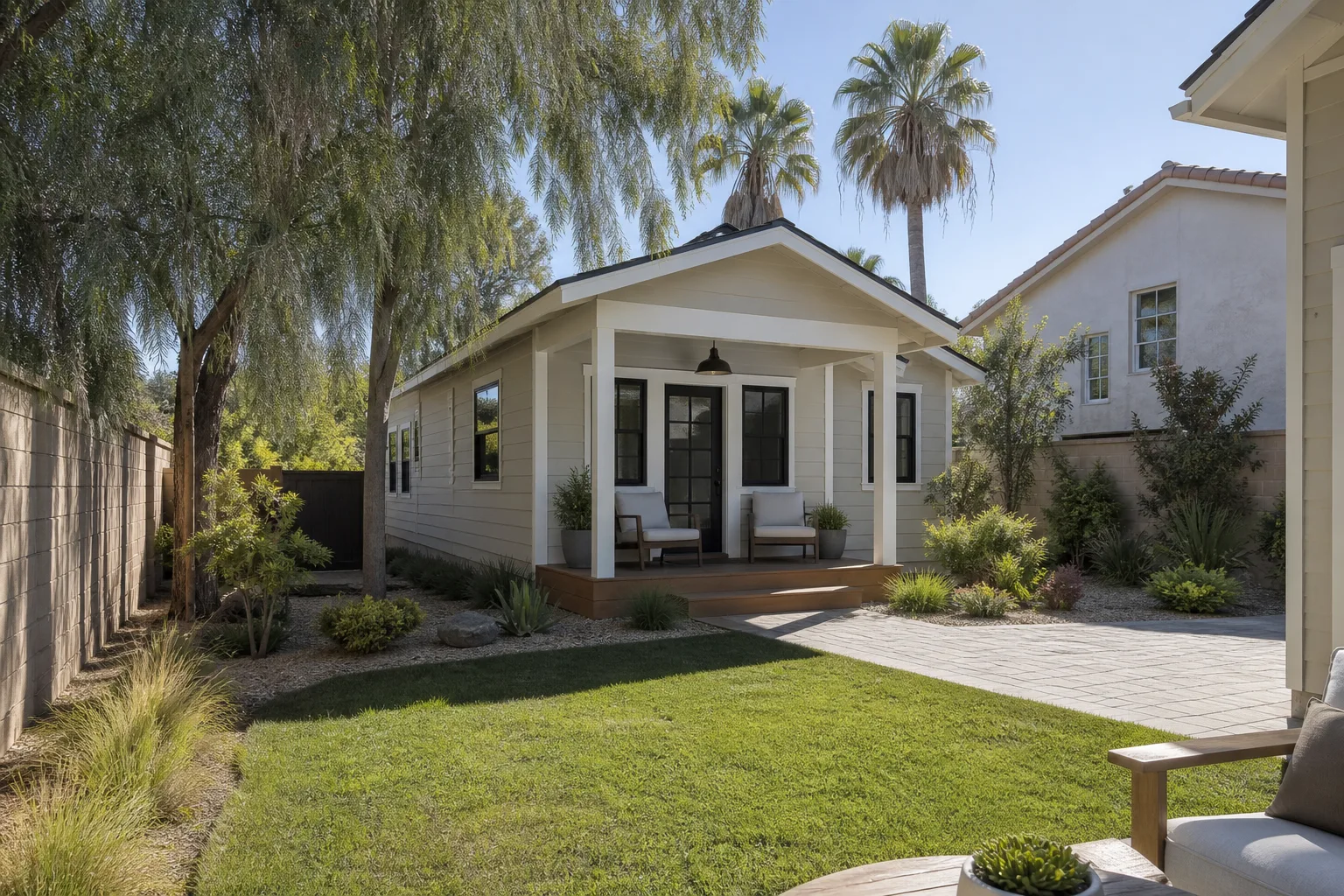
Dvele homes are built around a standardized panelized system, which means the addition or ADU you’re planning has to mate with the existing wall, roof, and floor assemblies correctly. The key identifier on any Dvele component is a small aluminum tag, usually located on the interior side of an exterior wall panel or on the sill plate near the main electrical panel. That tag gives you the panel series number and the manufacturing date, which tells us exactly what spec your addition needs to match.
The main compatibility gotcha with Dvele is the wall panel thickness. Dvele’s standard exterior wall assemblies run thicker than a conventional 2×6 frame because they include the continuous insulation and air barrier built into the panel. If you or another contractor frames a standard wall and tries to tie it in, you end up with a thermal break and a moisture trap at the joint. That’s how you get mold inside a wall that’s less than two years old. We match the panel spec, not just the look.
On the OEM-versus-aftermarket question: for the structural shell and the weather barrier, we recommend OEM-spec Dvele-compatible panels. For interior finishes, flooring, cabinetry, and fixtures, you have real options from KraftMaid, Cambria, Silestone, and other name-brand suppliers we already work with. The structural envelope is where you don’t substitute. The finishes are where you can save money without compromising the home.
Styles & brands we work with







Signs Your Dvele Home Additions & ADU Is Failing
- Water staining at the seam where the addition meets the original structure. This almost always means the tie-in flashing was underdone or the sealant has degraded. Long Beach’s wet winters will push water into that joint every single time it rains.
- Doors or windows that stick or won’t latch. A Dvele home is built tight, so any movement in the foundation or the panel connections shows up first at the door frames. A door that suddenly won’t close square is telling you something moved.
- A musty smell in one specific corner or closet. This is a moisture signal. In a Dvele home, the air barrier means trapped moisture has nowhere to evaporate. If it smells, water is already in the assembly.
- Cracking at interior drywall corners near the addition tie-in. Hairline cracks are normal in any home. Cracks that run diagonal from a corner and keep widening are not. These suggest the addition is settling differently than the original structure.
- Higher-than-expected energy bills after the addition was built. A properly integrated Dvele addition should keep the whole home’s energy performance consistent. If your bills jumped, the thermal envelope probably has a gap at the connection point.
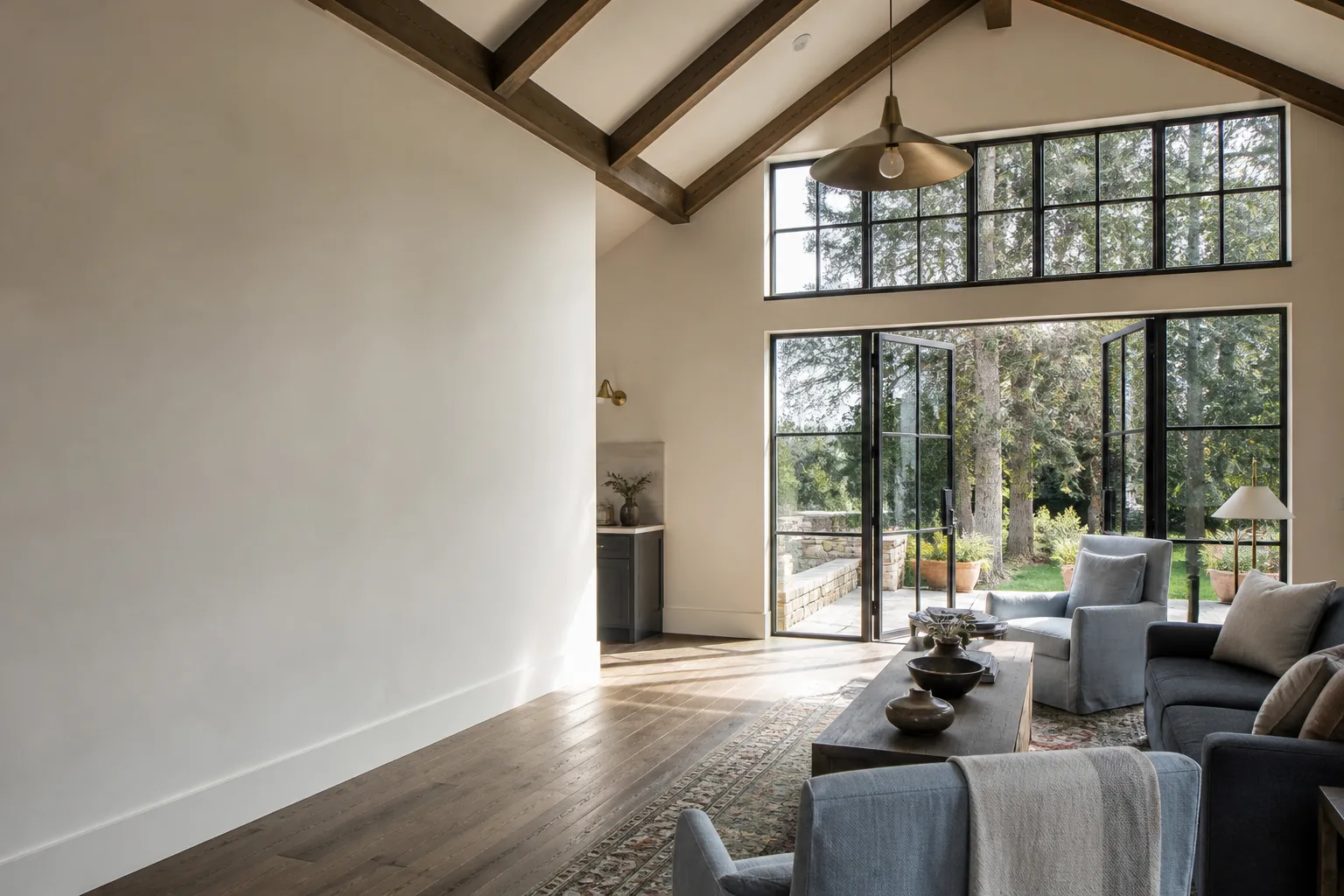
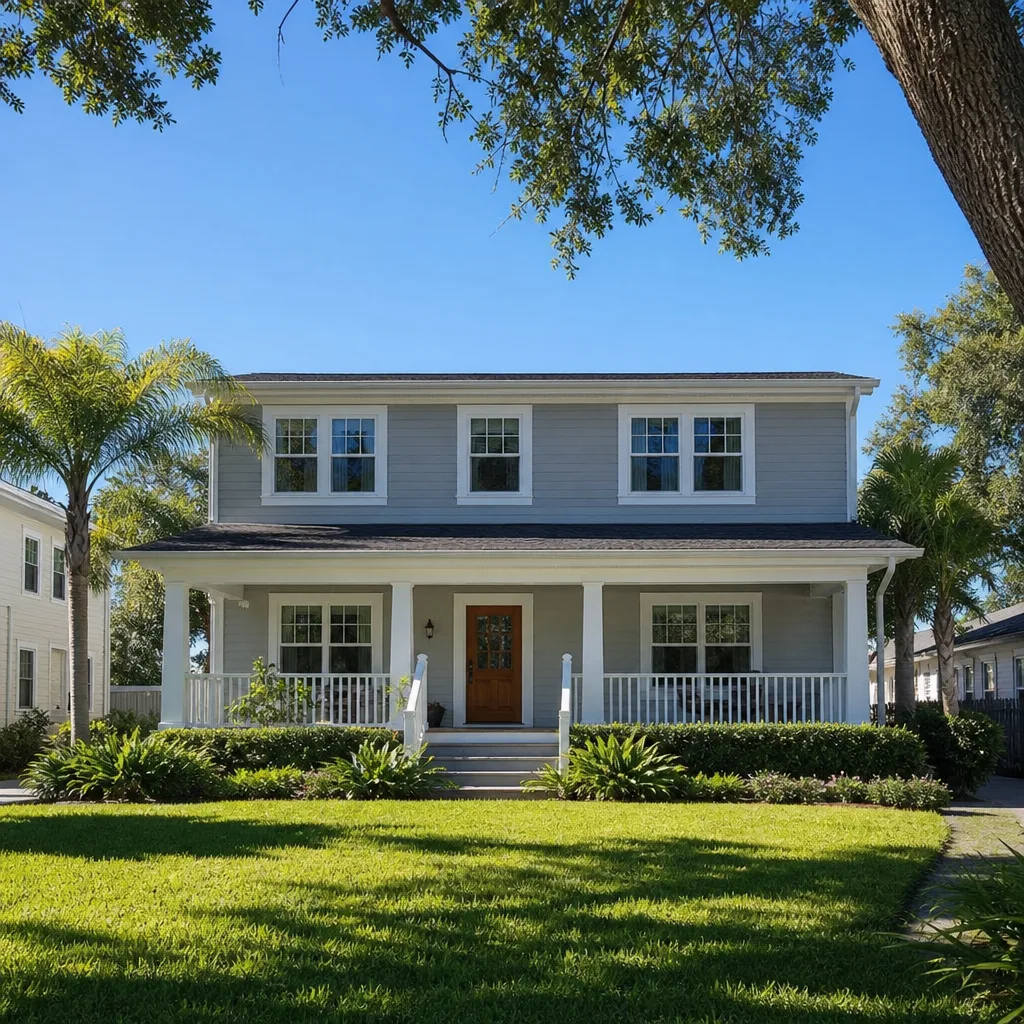
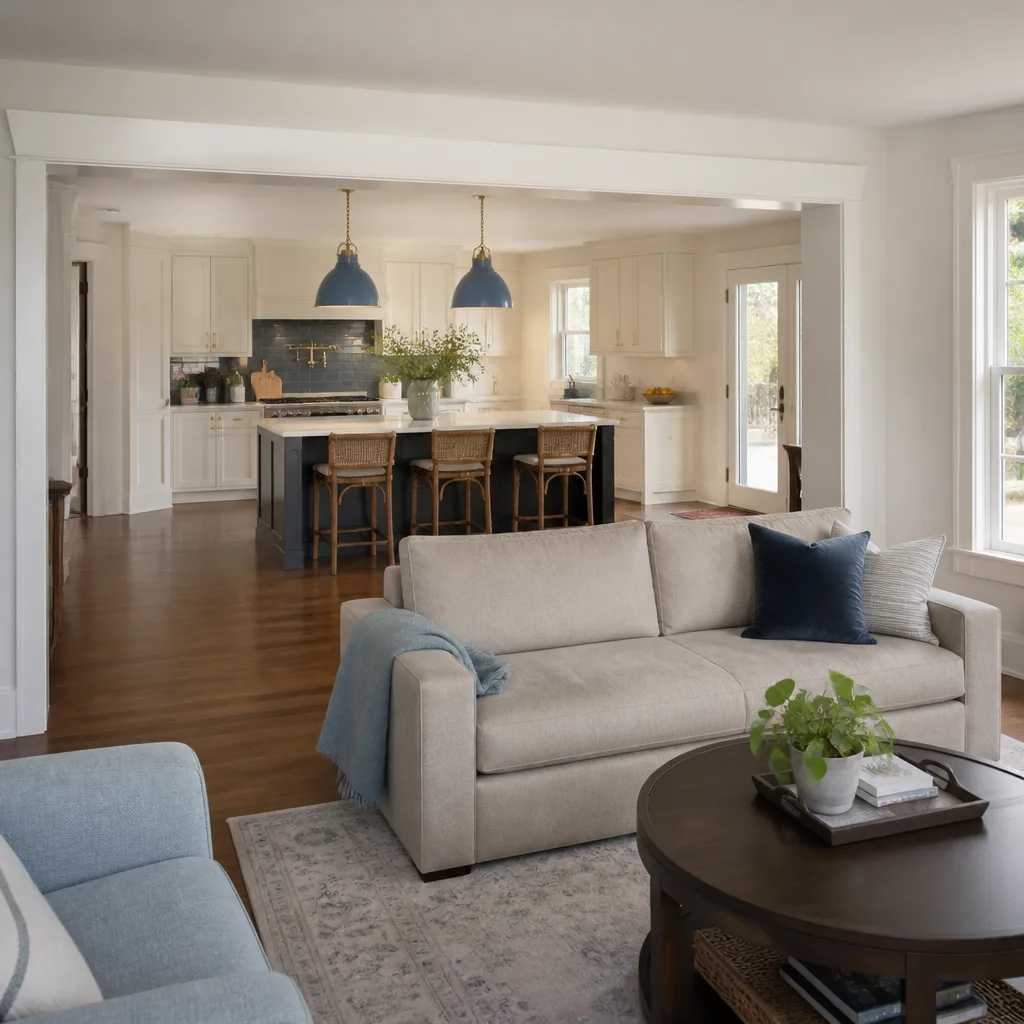
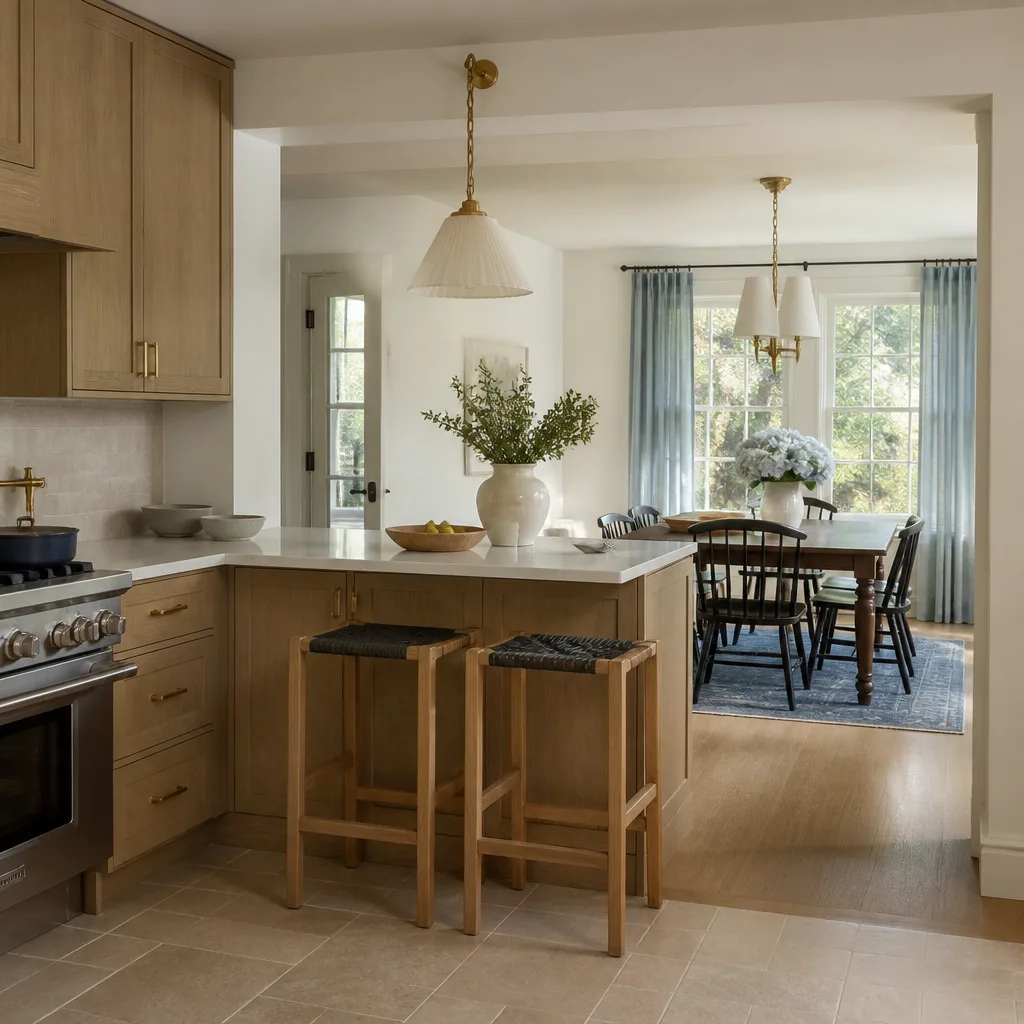
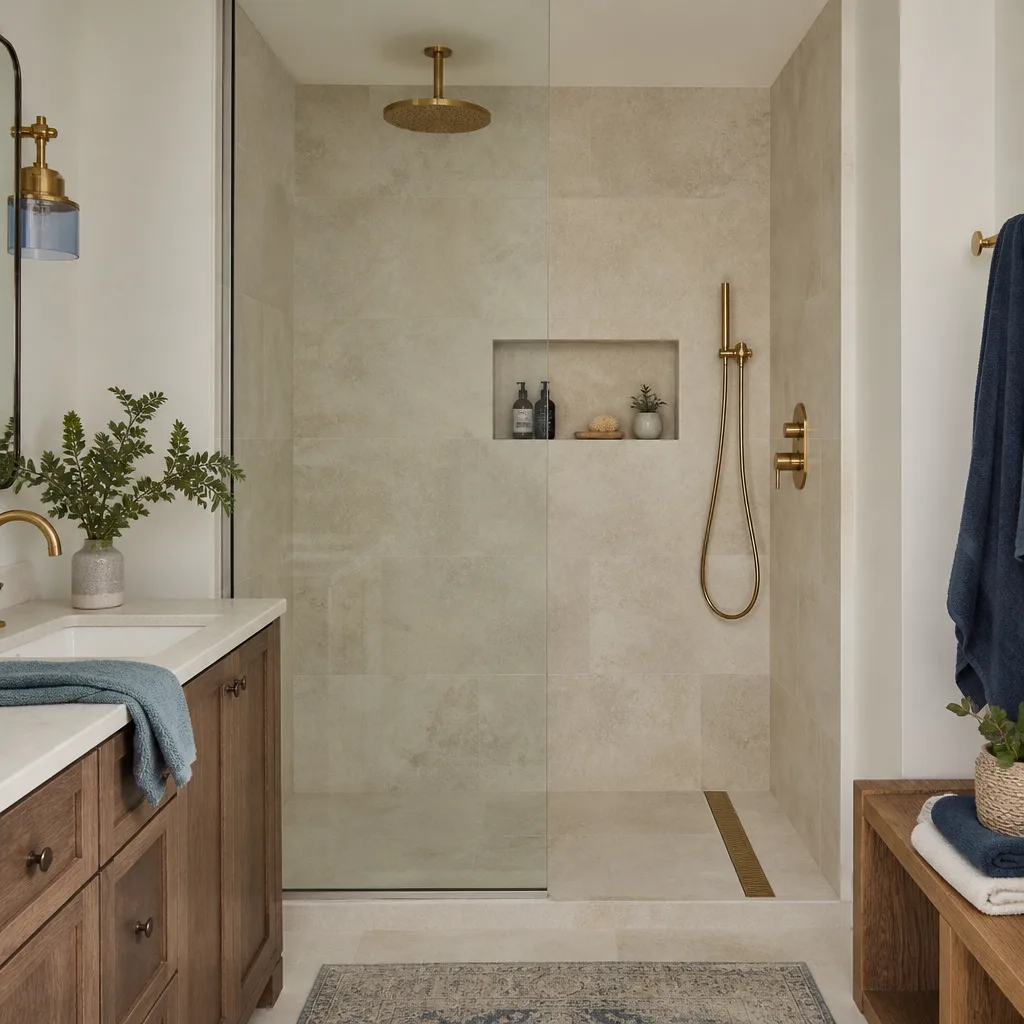
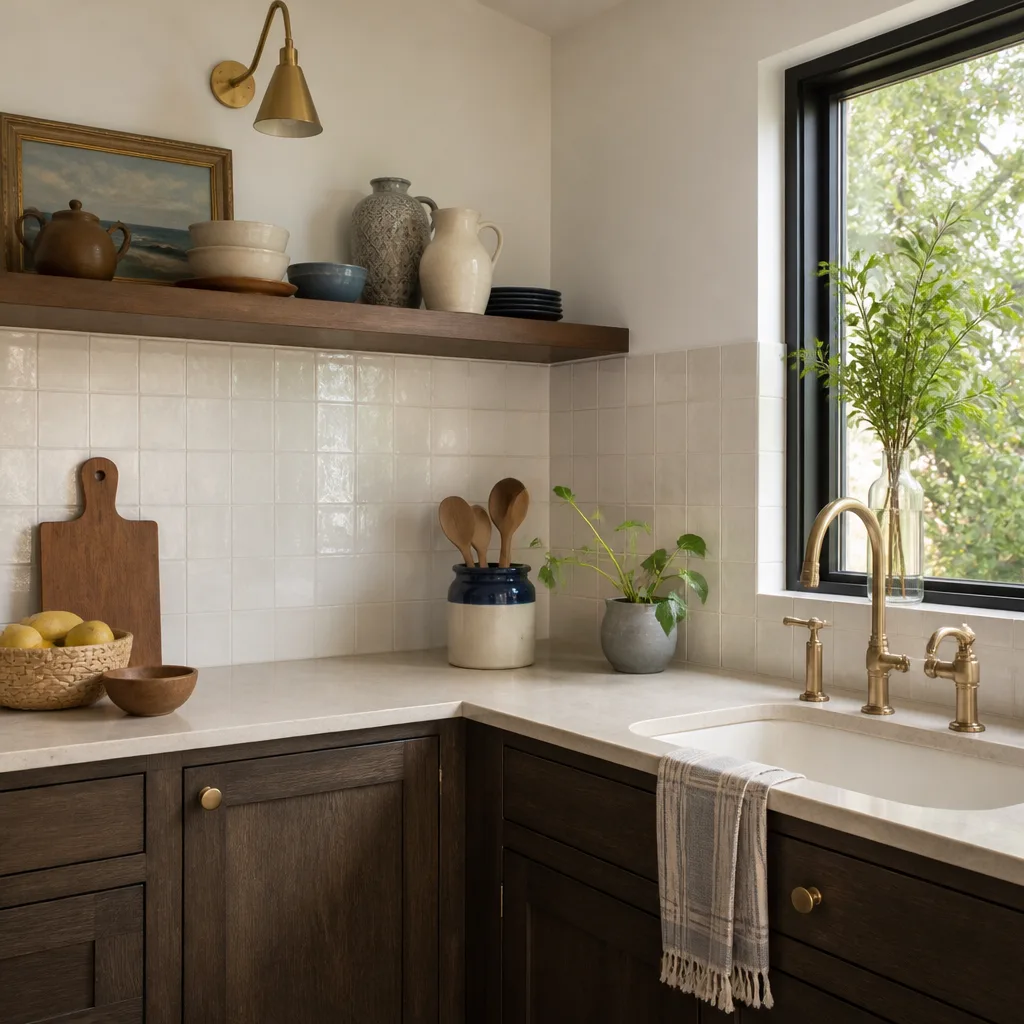
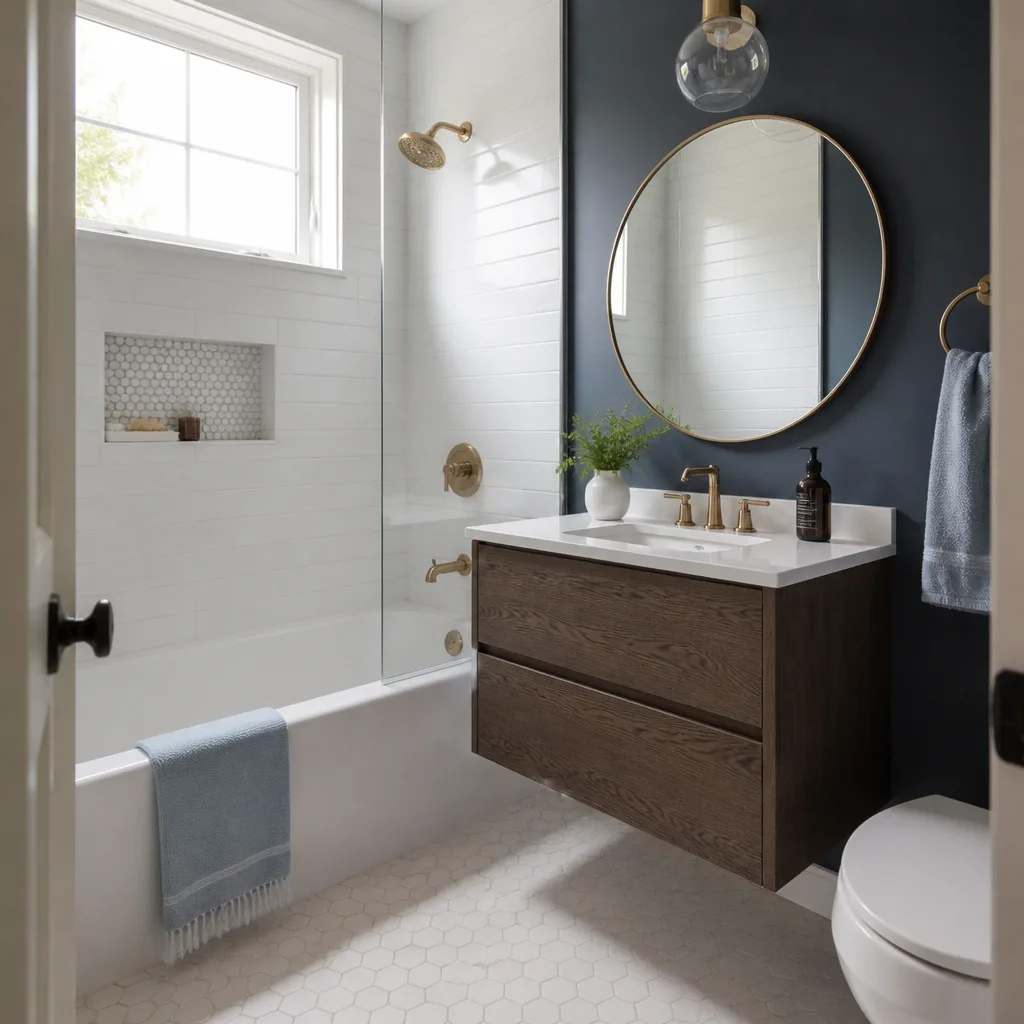
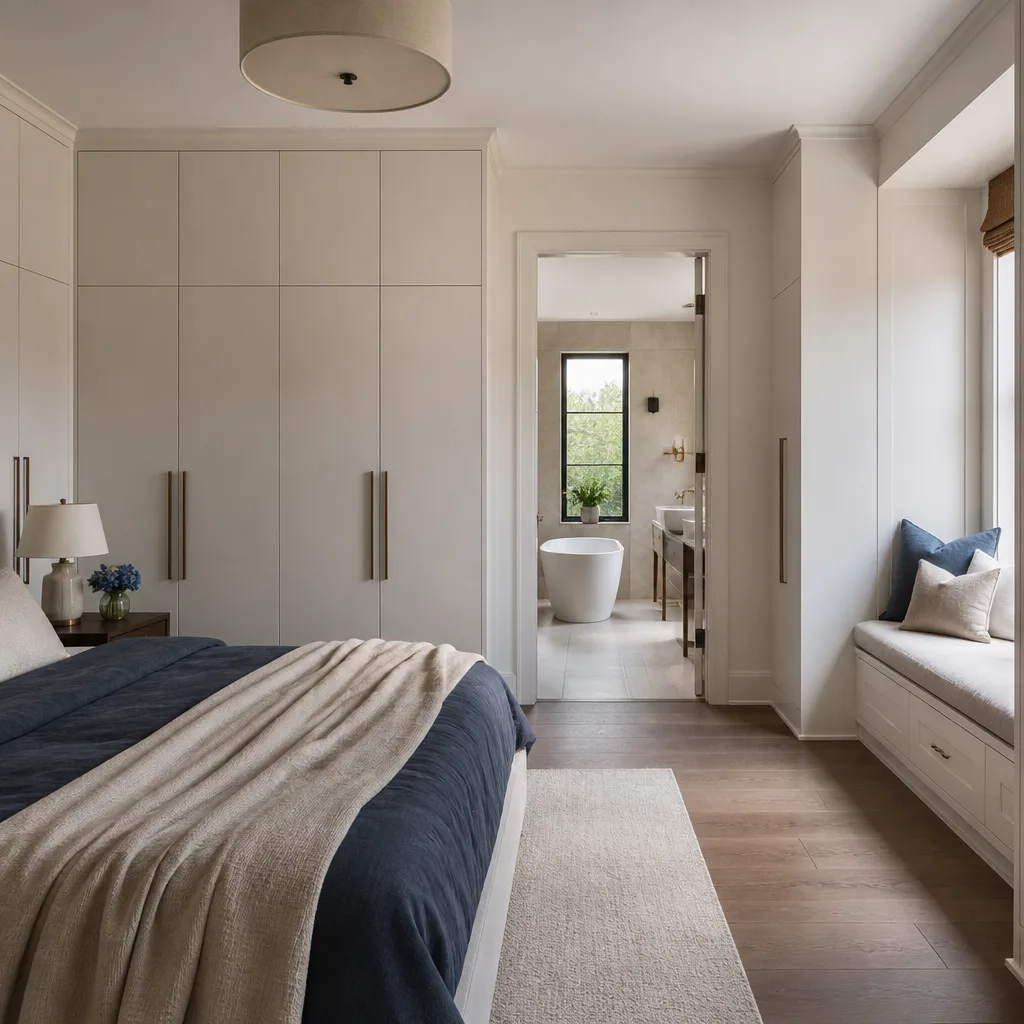
See the difference
 Before
 After
After Before
 After
After Before
 After
AfterReplacement Cost & What’s Included
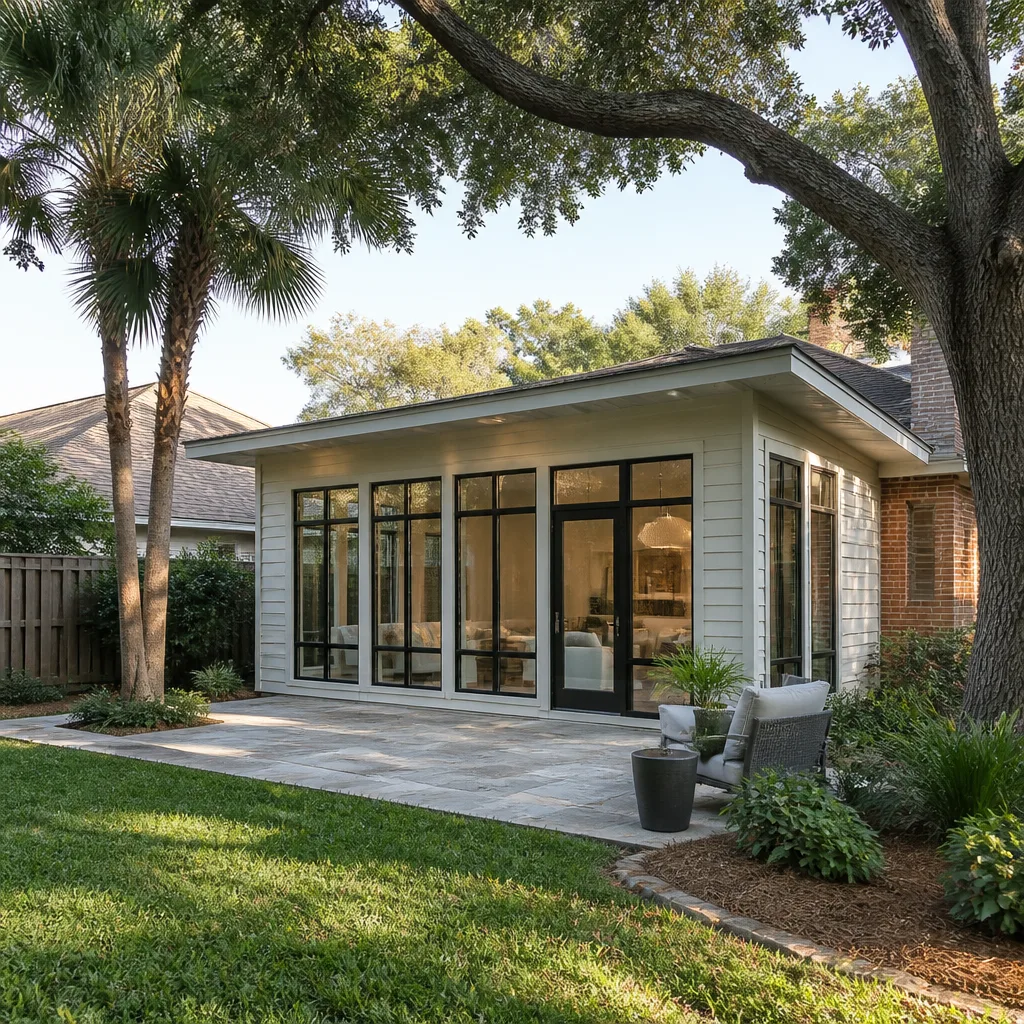
In Long Beach, a Dvele-compatible home addition runs $45,000 to $130,000 installed. The spread comes down to a few things: how much foundation work the addition needs, whether you’re extending the Dvele panel system or just tying into it, the square footage, and the finish level inside. An ADU on the same property starts higher because it’s a complete standalone build with its own utility connections, usually landing in the $90,000 to $220,000 range depending on size and site conditions.
What’s included in our written price: all structural work, the Dvele-compatible panel matching, roofing, flashing and waterproofing at the tie-in, electrical rough-in, drywall, paint, and the finishes you select. We give you a written line-item price before any work starts, and that number does not change at the door. The 365-Day Done Right Promise applies to every Dvele addition and ADU we build. If it’s not done right, we make it right, in writing.
DIY or Call Us?
You can safely inspect the exterior of your home for visible gaps, cracked sealant, or stained flashing. That’s worth doing once a year, especially after Long Beach gets a solid rain. What you shouldn’t do is cut into a Dvele wall assembly to find a leak yourself. The panel system is load-bearing and includes the air barrier and insulation in one assembly. Cutting into it without knowing where the structural members are can compromise the wall, and if you hit electrical, you’re in real danger.
Luca Romano has spent years framing additions across Long Beach, and he’ll tell you the same thing he tells every homeowner: the work tells you everything, the rest is just talking. If you suspect a failed tie-in or want to plan an addition or ADU, call (562) 512-6480. We’ll come out, look at what’s there, and give you a written price.
FAQs
A properly tied-in Dvele addition should last the life of the home, but the tie-in flashing and sealant typically need inspection and re-sealing every 5 to 7 years in Long Beach’s coastal climate. Salt air and UV exposure break down sealants faster here than inland. Call (562) 512-6480 and we’ll inspect your existing tie-in for free.
Yes, most tie-in failures are repaired by opening the affected area, replacing the flashing and sealant, and re-drying the wall cavity to confirm there’s no mold. Unless the panel itself has rotted, you don’t need to rebuild. We’ll tell you straight what needs replacing and what can stay.
A standard addition in Long Beach takes 8 to 16 weeks depending on scope, permitting, and weather. An ADU takes longer because it’s a full standalone structure with separate utility runs. We give you a written timeline with the written price, and we keep you updated with photos at every stage.
We keep the common tie-in materials, flashing, and sealants on hand, and we order Dvele-spec panels and structural components before demolition starts so the schedule doesn’t stall. Nothing sits waiting for a part that should have been ordered week one. Call (562) 512-6480 to get the process started with a free estimate.
Written by Luca Romano, Owner, Sawyer Remodel Long Beach at Sawyer Remodel Long Beach, serving Long Beach and nearby areas.


