
Free written scope consultation - allowances, timeline, and change-order rules on paper before a single trade is scheduled
James Hardie Home Additions & ADU: The Long Beach Owner’s Guide
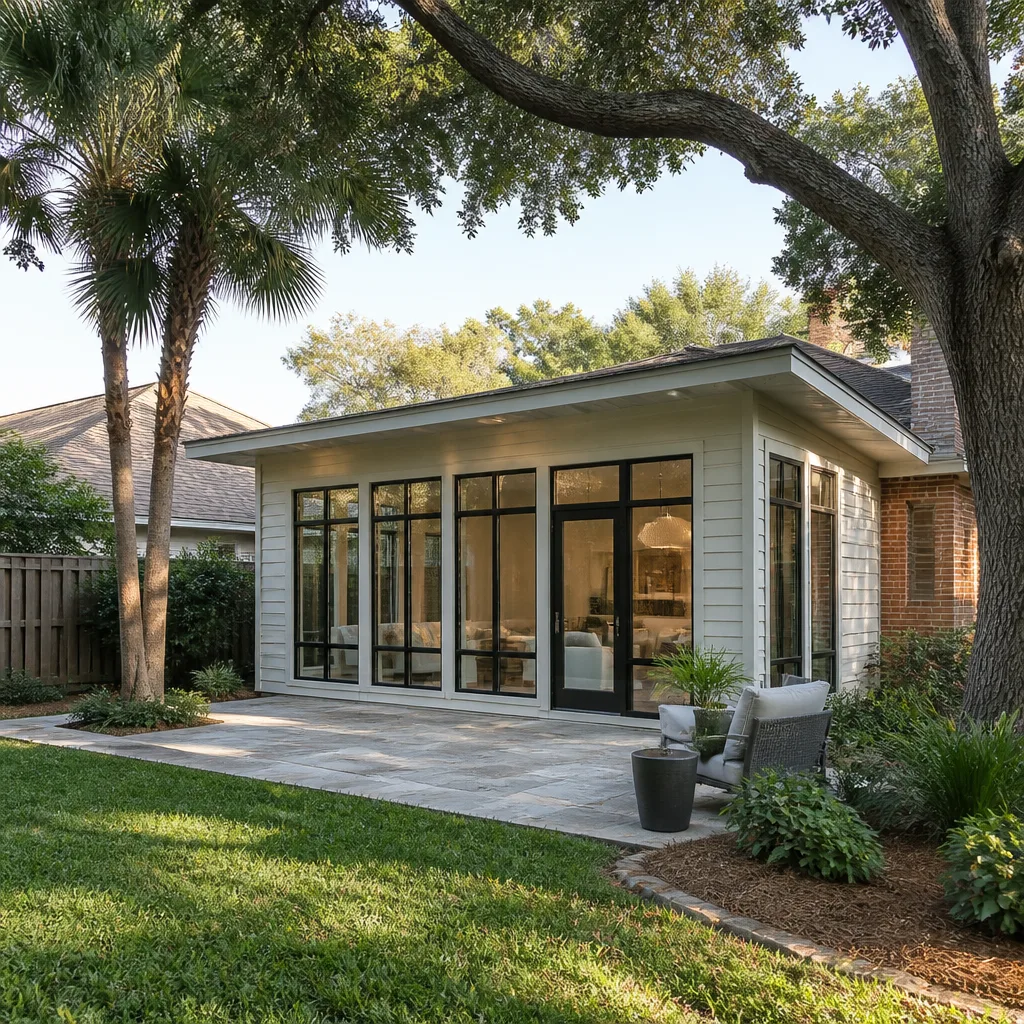
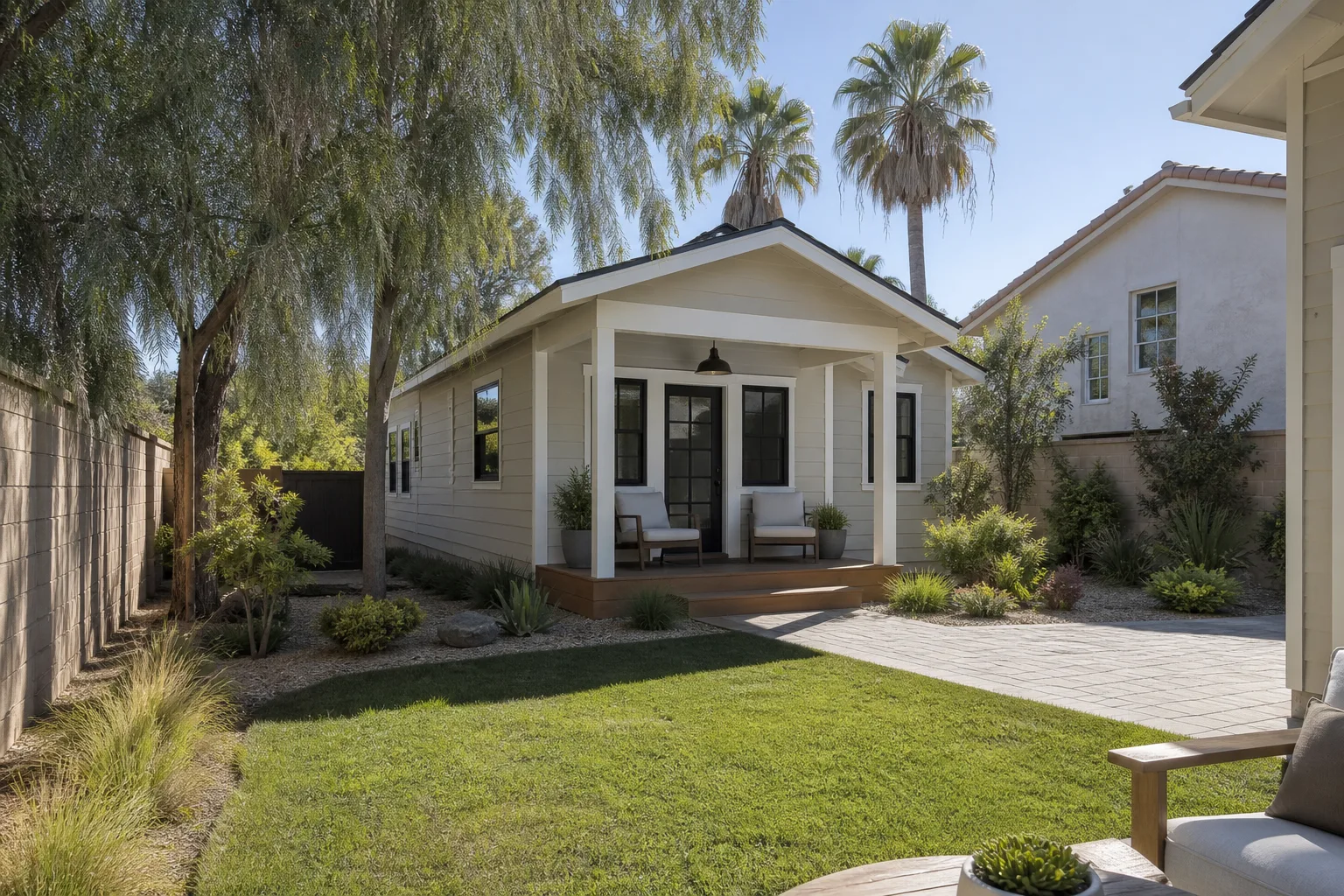
Adding square footage with James Hardie siding and trim in Long Beach typically runs $45,000 to $130,000 for a full home addition, and $90,000 to $220,000 for a detached ADU. We install and match James Hardie plank, panel, and trim on additions and ADUs across Long Beach, and we can usually start your estimate within days, not weeks. Most homeowners call us because their existing siding or trim has failed around the addition’s roofline, corners, or window flashing, or because a previous contractor mixed Hardie with non-Hardie trim and the two materials are now pulling apart. The good news: matching James Hardie to an existing structure is something we do regularly, and the brand’s color and texture consistency makes the repair or new installation blend better than most people expect. If you’re planning an addition or ADU in Long Beach and want the exterior done right the first time, call (562) 512-6480 for a free estimate.
Key Takeaways
- James Hardie home additions in Long Beach: $45,000 – $130,000 installed
- ADU construction with Hardie siding and trim: $90,000 – $220,000
- We match existing Hardie plank, panel, and trim so the addition doesn’t look bolted on
- Written price before work starts, 365-Day Done Right Promise on every job
Which James Hardie Models This Applies To
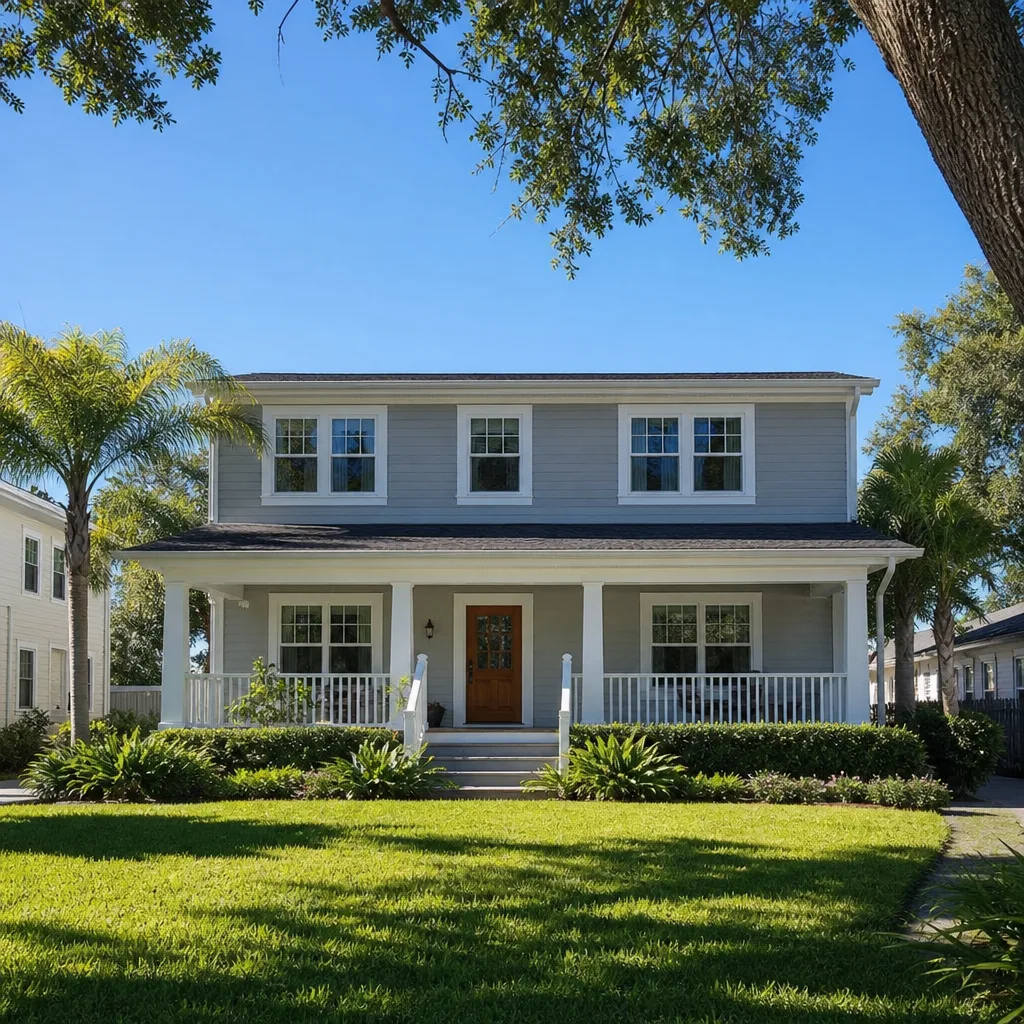
Our Long Beach crews work with the full James Hardie exterior lineup: HardiePlank lap siding (the most common on 1920s – 1950s Long Beach bungalows and 90s tract homes alike), HardiePanel vertical siding, HardieTrim boards, HardieSoffit, and HardieShingle. If you’re adding a room or building an ADU, the right match matters because James Hardie products are made in specific thicknesses and textures: HardiePlank comes in 5/16-inch and 7/16-inch thicknesses, and the woodgrain pattern differs between the Cedarmill and Smooth finishes. A common gotcha in Long Beach: homes within a few blocks of the ocean often have the 7/16-inch Cedarmill plank with a 4-inch exposure, while inland homes built in the 80s more often have 5/16-inch Smooth with a 5-inch exposure. We measure the existing exposure and thickness before quoting, because guessing produces walls that don’t line up at the corners. For trim, HardieTrim runs 3/4-inch thick and comes in 4/4, 5/4, and 1x board profiles; matching the profile is what keeps the shadow lines consistent where the addition meets the original structure.
On the OEM versus aftermarket question: James Hardie does not license third-party manufacturers for their siding. What exists aftermarket is mostly trim board alternatives like Boral, Allura, or LP SmartSide, and they are not a true match for Hardie’s fiber cement texture and paint retention. We stock genuine James Hardie on our Long Beach trucks and will tell you plainly if a cheaper substitute will look wrong next to your existing Hardie. The fiber cement formula and the way it takes paint matters, especially within three miles of the Pacific, where salt air is brutal on wood-composite substitutes.
Styles & brands we work with







Signs Your James Hardie Home Additions & ADU Is Failing
- Caulk cracking at corner boards and window trim: Hardie expands and contracts with Long Beach’s temperature swings. When a contractor uses cheap caulk or paints over old caulk, the joints open up and water gets behind the siding. This is the most common failure we see on additions built 5 – 10 years ago.
- Wavy or buckling lap siding below roof valleys: This almost always means water is getting behind the siding and swelling the framing or sheathing. Hardie itself doesn’t warp from moisture the way wood does, so if the Hardie looks wavy, the problem is behind it, not the board itself.
- Rust streaks from nail heads: Hardie must be installed with stainless steel nails in Long Beach, not electro-galvanized. Salt air eats galv nails in 3 – 5 years, and the rust streaks bleed through paint. We see this constantly on homes built in the 90s and early 2000s.
- Gaps at the bottom edge where the addition meets the foundation: Hardie should sit at least 6 inches above grade on a slab and 2 inches above any hardscape. When a Long Beach patio or walkway gets poured later against the wall, the Hardie wicks moisture and the bottom edge starts to crumble.
- Faded or chalky paint with visible fiber texture: If the original installation used the wrong primer or cheap exterior paint, Hardie’s factory finish fails early. A proper Hardie paint job in Long Beach should last 12 – 15 years, not 5.
See the difference
 Before
 After
After Before
 After
After Before
 After
AfterReplacement Cost & What’s Included
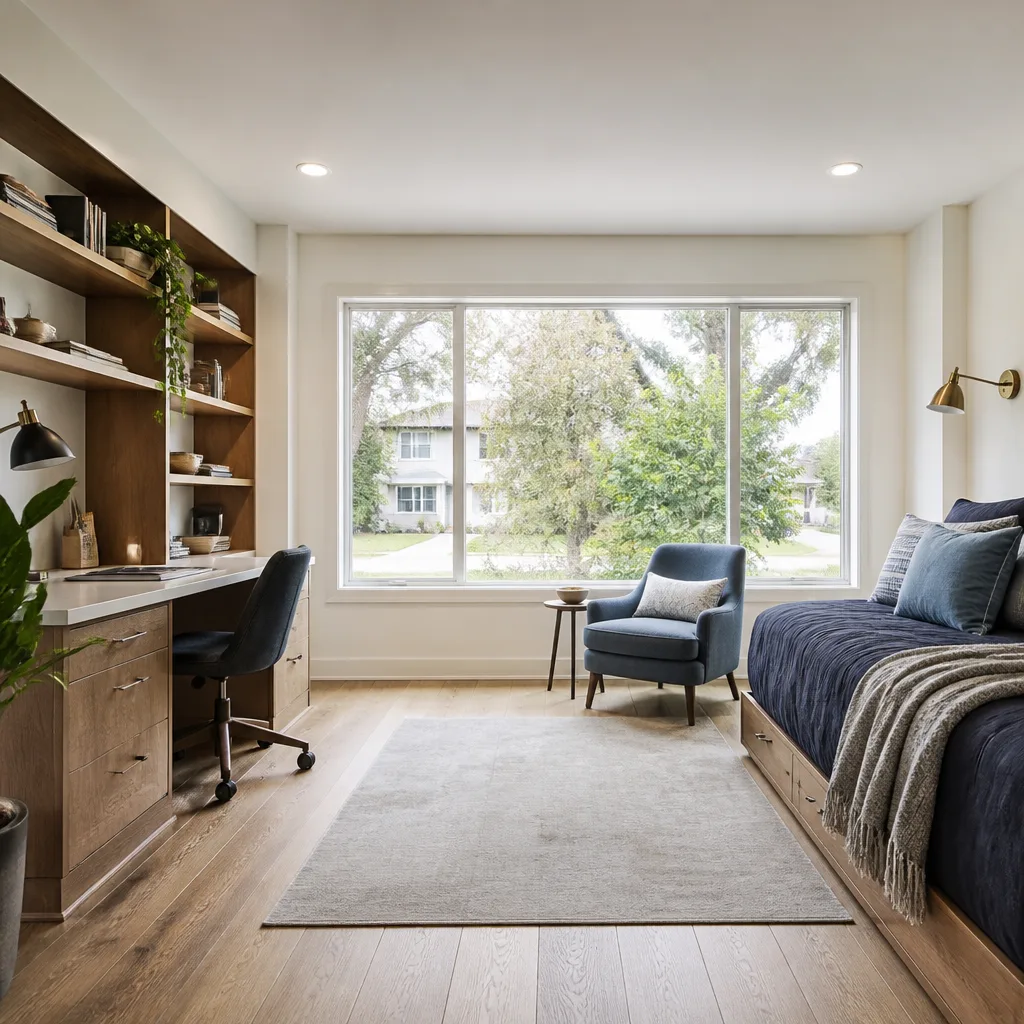
For a full-home addition in Long Beach, plan on $45,000 to $130,000 depending on square footage, foundation work, and how much of the existing siding must be cut back and re-flashed to tie into the new structure. Detached ADUs with James Hardie siding run $90,000 to $220,000, driven mostly by site prep, utility connections, and whether you’re doing a garage conversion ($30,000 – $80,000) or a ground-up build.
Here’s how the Hardie portion typically breaks down on a Long Beach addition:
| Scope | Typical Cost in Long Beach |
|---|---|
| James Hardie lap siding, materials only (per 100 sq ft) | $450 – $800 |
| HardieTrim boards, materials (per linear foot) | $3 – $6 |
| Labor to install Hardie siding (per 100 sq ft) | $600 – $1,100 |
| Flashing, caulk, nails, and paint prep | $800 – $2,500 per project |
| Full Hardie exterior on a 400 sq ft ADU | $18,000 – $35,000 of the total project |
Every quote we write in Long Beach includes the Hardie materials, flashing, stainless fasteners, labor, and painting. The number we put in writing before we start is the number you pay. If the install isn’t done right, our 365-Day Done Right Promise means we come back and fix it, in writing, no argument.
DIY or Call Us?
You can safely check a few things yourself: look for cracked caulk at the corners, rust around nail heads, and any siding sitting too close to the ground. Those are visual checks that take ten minutes. What we don’t recommend is pulling off Hardie boards to inspect what’s behind them, cutting fiber cement without proper dust control, or trying to re-flash a roofline from a ladder. Hardie is heavy, a stalled board can crack, and the silica dust from cutting it is a lung hazard you don’t want. That’s the line: inspect from the ground, call us for anything that requires removing boards, scaffolding, or ladders above the first story. Our Long Beach crews wear proper respirators and use HEPA dust extraction on every cut, because that’s the only way to do fiber cement right. If the repair involves roofline or upper-story flashing, that is absolutely a professional job. One slip on a 20-foot ladder next to a roofline is not worth the money saved.
The work tells you everything. The rest is just talking. If you’re seeing any of the failure signs above, call (562) 512-6480 and we’ll come look at it. The estimate is free.
FAQs
James Hardie fiber cement siding lasts 30 to 50 years in Long Beach when installed with stainless steel nails, proper flashing, and correct clearance from grade. The weak points are the caulk joints and the paint film, which typically need attention every 10 to 15 years near the coast. Hardie itself doesn’t rot, but poor installation behind the boards will fail much sooner. Call (562) 512-6480 for an inspection if your Hardie is more than 15 years old and you’re seeing gaps or rust streaks.
Yes, individual Hardie boards and trim pieces can be replaced without redoing the whole wall, as long as the underlying sheathing and flashing are still solid. We cut out the damaged board, inspect what’s behind it, replace the flashing if needed, and install a new Hardie board matched to the existing texture and thickness. If water has been getting in for years, the repair often becomes a section replacement. Call (562) 512-6480 for an exact evaluation, and the estimate is free.
Replacing Hardie siding on one wall of an addition typically takes 2 to 3 working days in Long Beach, including paint matching and caulking. A full addition exterior re-side runs 1 to 2 weeks depending on wall area, height, and whether we’re also replacing trim and flashing. Our The Relay Standard means you get a written schedule before we start, live arrival tracking, and photo updates before and after the work.
Yes, we stock common HardiePlank profiles, HardieTrim boards, and stainless fasteners in our Long Beach inventory, and we special-order any profile or color-matched piece we don’t have on the shelf within a few days. We carry genuine James Hardie products, not aftermarket substitutes, because the texture and paint retention have to match your existing walls. Call (562) 512-6480 and we’ll confirm we have your profile in stock before we schedule the visit.
If your James Hardie addition or ADU in Long Beach needs repair, replacement, or you’re planning new square footage, call Sawyer Remodel Long Beach at (562) 512-6480. We’ll give you a written price before any work starts, and the number you see is the number you pay.
Written by Luca Romano, Owner, Sawyer Remodel Long Beach at Sawyer Remodel Long Beach, serving Long Beach and nearby areas.


