
Free written scope consultation - allowances, timeline, and change-order rules on paper before a single trade is scheduled
James Hardie Kitchen Remodeling: The Long Beach Owner’s Guide
If you’re searching for James Hardie kitchen remodeling in Long Beach, you likely already know the product holds up, but you’re wondering what it costs to integrate it properly and who actually knows how to work with it. A full kitchen remodel using James Hardie trim, siding, and panel products around Long Beach typically runs $14,000 to $45,000 installed, depending on scope, cabinet grade, and how much of the Hardie product your design actually calls for. Most owners discover they need help when they notice cracking at joints, water staining where Hardie meets the countertop line, or gaps that appeared after the first full summer of coastal humidity swings.
Here’s the thing most pages won’t tell you: James Hardie makes excellent exterior and interior trim products, but kitchen applications demand specific installation details that don’t show up in generic installation videos. HardiePlank and HardiePanel behave differently than wood or MDF when they meet heat, grease, and moisture. The joints move. The material absorbs differently. And if the installer treats it like standard trim, you’ll see callbacks within a year. We’ve been remodeling kitchens across Long Beach, from Naples to Bixby Knolls, long enough to know exactly where Hardie products succeed and where they need reinforcement.
Key takeaways:
- Installed kitchen remodels using James Hardie products in Long Beach range from $14,000 to $45,000
- Hardie trim requires specific joint treatment, fastener schedules, and moisture barriers in kitchen environments
- Most failures we see trace back to installer error, not product defects
- Sawyer Remodel Long Beach stocks James Hardie trim and panel products for kitchen applications and installs them correctly the first time
- Every job includes a written price before work starts, backed by our 365-Day Done Right Promise
Which James Hardie Models This Applies To
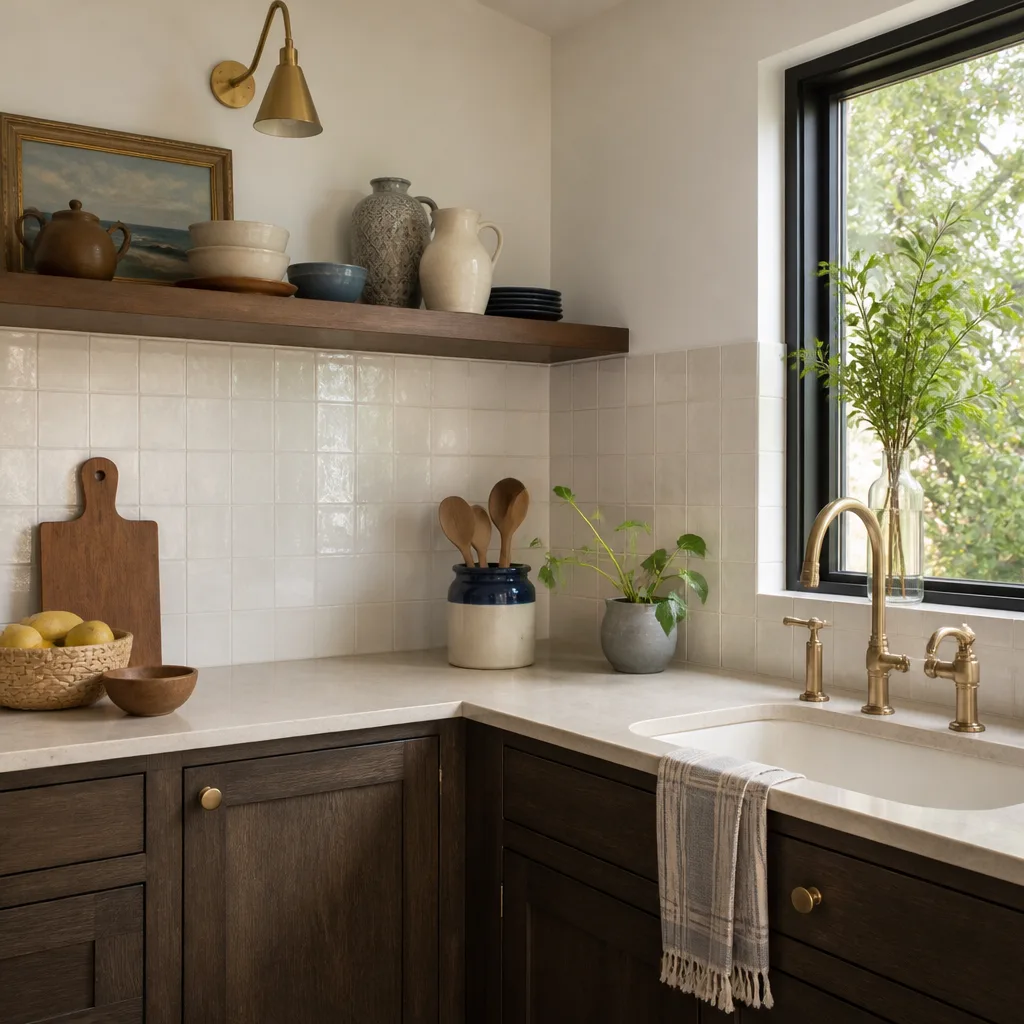
For kitchen remodeling, you’re typically working with three James Hardie product families: HardieTrim boards (smooth or textured, used for window casing, baseboard in wet zones, and feature walls), HardiePanel vertical siding (common as a statement wall behind ranges or islands), and HardieBacker board (the cement backer under tile). Each has different specs. HardieTrim comes in 4/4 and 5/4 thicknesses, widths from 3.5 inches up to 11.25 inches, and 12-foot lengths. HardiePanel runs 4×8, 4×9, and 4×10 sheets in 5/16-inch thickness. HardieBacker is 1/4-inch or 1/2-inch, 3×5 sheets.
The compatibility gotcha most people miss: HardieTrim and HardiePanel are engineered for exterior and select interior use, but kitchen humidity and grease exposure require painted and sealed edges on every cut. If you see raw fiber-cement edges exposed anywhere in a kitchen, water will find its way in. That’s not a product failure. That’s an installation failure. We also see people try to substitute HardieBacker for HardiePanel as a finished surface. It’s not rated for that. It’s a tile substrate, period. When we plan a James Hardie kitchen remodel in Long Beach, we verify exactly which product is being used where, and we spec the correct fastener, joint treatment, and edge sealing for that specific product.
One more honest note: Sawyer Remodel Long Beach is an independent remodeling contractor. We’re not a James Hardie dealership or corporate affiliate. We use their products because they hold up in Long Beach’s salt air and temperature swings, and we know the install details that keep them warrantied.
Styles & brands we work with







Signs Your James Hardie Kitchen Remodeling Is Failing
Most of what we’re called to fix in Long Beach kitchens wasn’t caused by the material. It was caused by rushed installation or the wrong product for the location. Here’s what we see, and what it means.
- Hairline cracks at HardieTrim joints near the stove or sink. Fiber cement expands and contracts with humidity. Grease and steam accelerate the cycle. If joints weren’t gapped and caulked properly, they crack at the seams. The fix is cutting out the failed section, re-gapping, and sealing with a paintable, high-flex caulk rated for kitchens.
- Swollen or flaking edges on HardiePanel behind the range. This happens when cut edges weren’t primed and sealed. Water vapor and cooking oil get into the raw edge, the panel swells slightly, and the paint starts to lift. The panel itself may still be sound, but you’re looking at edge repair and repainting.
- Mold spotting at the HardieBacker-to-drywall transition under the counter. HardieBacker wicks water if the seam between backer board and drywall isn’t taped and waterproofed. You’ll see staining first, then soft drywall. This needs to be opened, dried, and re-sealed, not just painted over.
- Fastener pops or visible nail heads on HardieTrim around the kitchen window. Fiber cement is heavier than wood trim. If the installer used standard finish nails instead of corrosion-resistant, ring-shank nails with proper spacing, the fasteners back out over time. Long Beach’s coastal moisture accelerates rust on the wrong fasteners.
- Gaps between HardieTrim and the countertop that appeared after the first year. Countertop materials settle. HardieTrim doesn’t flex like wood. If the installer butted the trim tight to the counter with rigid caulk, the joint opens. The correct install leaves a small, consistent gap filled with flexible sealant that moves with the surfaces.
None of these are “tear the whole kitchen out” problems, but all of them get worse when ignored. If you’re seeing any of this, call us at (562) 512-6480. We’ll tell you honestly whether it’s a patch job or a redo.
See the difference
 Before
 After
After Before
 After
After Before
 After
AfterReplacement Cost & What’s Included
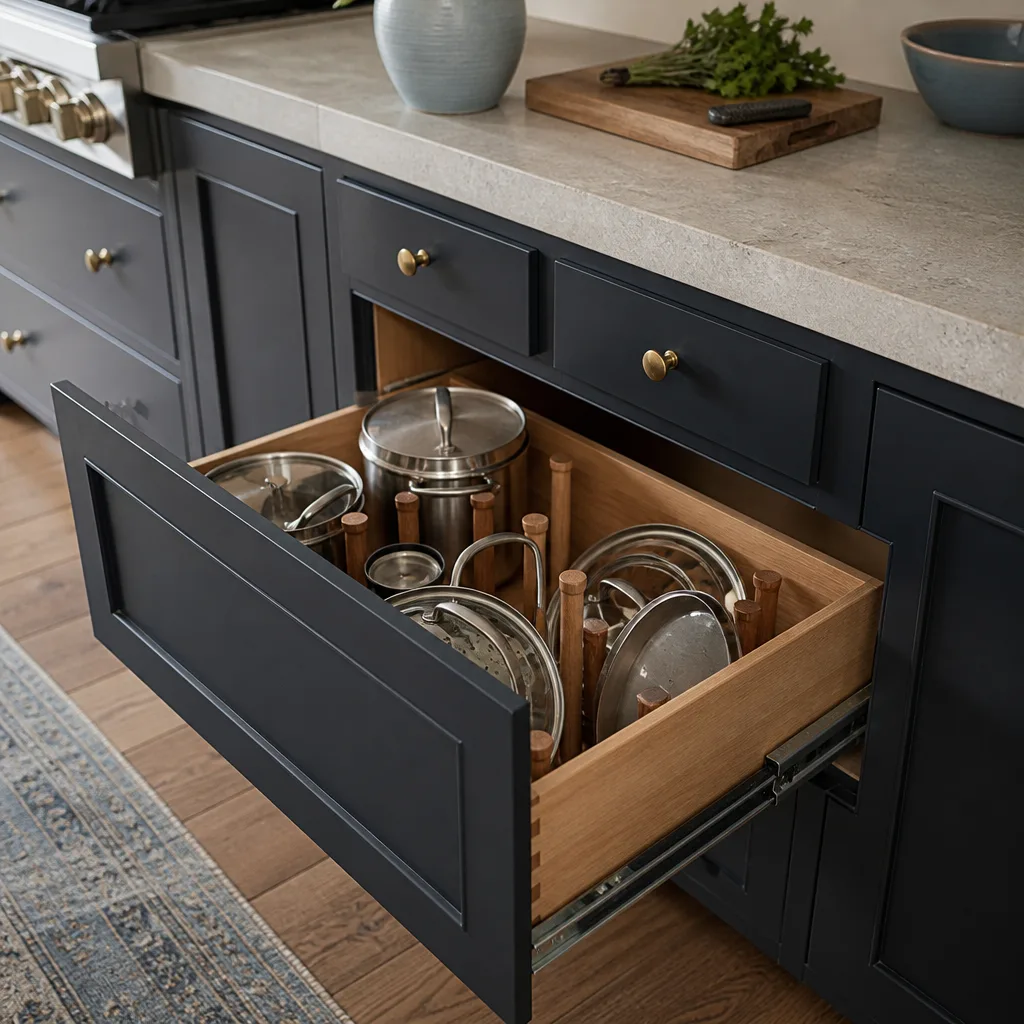
For Long Beach specifically, here’s what you’re looking at, installed, with a written price before any work starts:
- Full kitchen remodel with James Hardie trim, panel, and backer integration: $14,000 to $45,000
- HardieTrim replacement or repair (window casing, baseboard, feature wall trim): $900 to $2,800 per section, depending on linear footage and access
- HardiePanel feature wall behind range or island: $1,800 to $4,500 installed, including edge sealing and paint-ready finish
- HardieBacker underlayment for tile (floor or backsplash): $800 to $2,500, depending on square footage and demo
- Joint repair and re-sealing on existing Hardie installation: $400 to $1,200, depending on how many joints failed
What drives the price range: kitchen size, how much existing material has to come out, whether we’re working around granite or quartz countertops that can’t move, and whether the framing underneath needs correction before new Hardie goes on. You get a line-item price before we touch anything. No change orders at the door. The work is covered by our 365-Day Done Right Promise, which is in writing on every project. If it’s not done right, we make it right.
DIY or Call Us?
Replacing a small section of painted HardieTrim in a dry, accessible spot is within reach for a careful homeowner with the right blade, the right fasteners, and the patience to seal every cut edge. Everything else, we’d tell you to think twice. Fiber cement is heavy. HardiePanel sheets are awkward to handle solo, and a dropped sheet takes out tile, floors, or toes. The dust from cutting contains silica. You need a respirator and proper ventilation, not a bandana. And in a kitchen, the water exposure zones (sink wall, range backsplash, dishwasher surround) are the last places to learn as you go. If the joint fails or the edge wicks water, you’re doing it again in a year, only now with mold remediation on the ticket.
If you want the work done once, with the right product, the right fasteners, and a written price up front, call us at (562) 512-6480. Luca Romano or one of our crew will walk the kitchen with you and tell you straight what needs doing.
FAQs
With correct installation, including sealed edges, proper fasteners, and flexible joints, expect 20 to 30 years from HardieTrim and HardiePanel in a kitchen setting. Coastal salt air in Long Beach shortens lifespan mainly through corrosion of the wrong fasteners, which is why we use only stainless or hot-dipped galvanized hardware. If joints and edges were sealed correctly at install, the material itself rarely fails.
Small cracks and minor edge swelling can be repaired, but if the panel or trim piece has moved or the fastener points are rusted, sectional replacement is the durable fix. We’ll match the profile and texture, replace the damaged section, and re-seal the joints so the repair doesn’t telegraph through the paint. Call (562) 512-6480 for an exact assessment. Estimates are free.
For a full kitchen remodel with Hardie integration, plan on 4 to 8 weeks depending on scope, permit timing in Long Beach, and countertop fabrication lead times. Smaller Hardie repair work, like replacing a failed window trim section or re-sealing joints, is typically done in one to two days. We give you a written schedule before we start, and under The Relay Visibility Guarantee, you get live arrival tracking and photo updates as the work progresses.
We stock HardieBacker in both thicknesses and the most common HardieTrim profiles and widths on our trucks. HardiePanel and specialty profile lengths are ordered per job, usually available the same week in Long Beach suppliers. We also work with KraftMaid cabinets, Cambria and Silestone countertops, so the same crew can handle the entire kitchen without you coordinating four different vendors.
Ready to get a real number? Call (562) 512-6480 to schedule your free estimate. We’ll walk the kitchen, talk through what’s actually failing, and hand you a written price before any work starts. No voicemail loops. A live person answers, 24/7. The work tells you everything. The rest is just talking.
Written by Luca Romano, Owner, Sawyer Remodel Long Beach at Sawyer Remodel Long Beach, serving Long Beach and nearby areas.


