
Free written scope consultation - allowances, timeline, and change-order rules on paper before a single trade is scheduled
Plant Prefab Home Additions & ADU: The Long Beach Owner’s Guide
A Plant Prefab home addition or ADU in Long Beach typically runs $45,000 – $130,000 installed, depending on size, site prep, utility connections, and the level of interior finish you choose. We handle the full scope: foundation pour or pier system, the panel assembly, electrical and plumbing terminations, drywall, flooring, and paint. Most owners reach out because their prefab panel system has a failing connection point, water intrusion at a seam, or a foundation issue that surfaced after the original install.
What we see most often with Plant Prefab builds in Long Beach is not a catastrophic structural failure. It’s the slow stuff: a corner flashing that lifted during a Santa Ana wind event, a wall panel seam that opened just enough to let fog moisture in, or a door frame that shifted because the pier blocks settled in clay-heavy soil. The panel system itself is usually fine. The integration points are where problems start, and that’s where most of our repair and addition work begins.
Luca Romano has spent the better part of two decades doing construction work across Long Beach, from gut-renovated bungalows near Belmont Shore to kitchen overhauls a few blocks from the Queen Mary. He learned framing at Los Angeles Trade-Technical College, then put in years of hands-on work before starting his own crew. We’ve worked on enough panel-built structures in Long Beach to know which failure points show up in our marine-layer climate and which ones just don’t.
Which Plant Prefab Models This Applies To
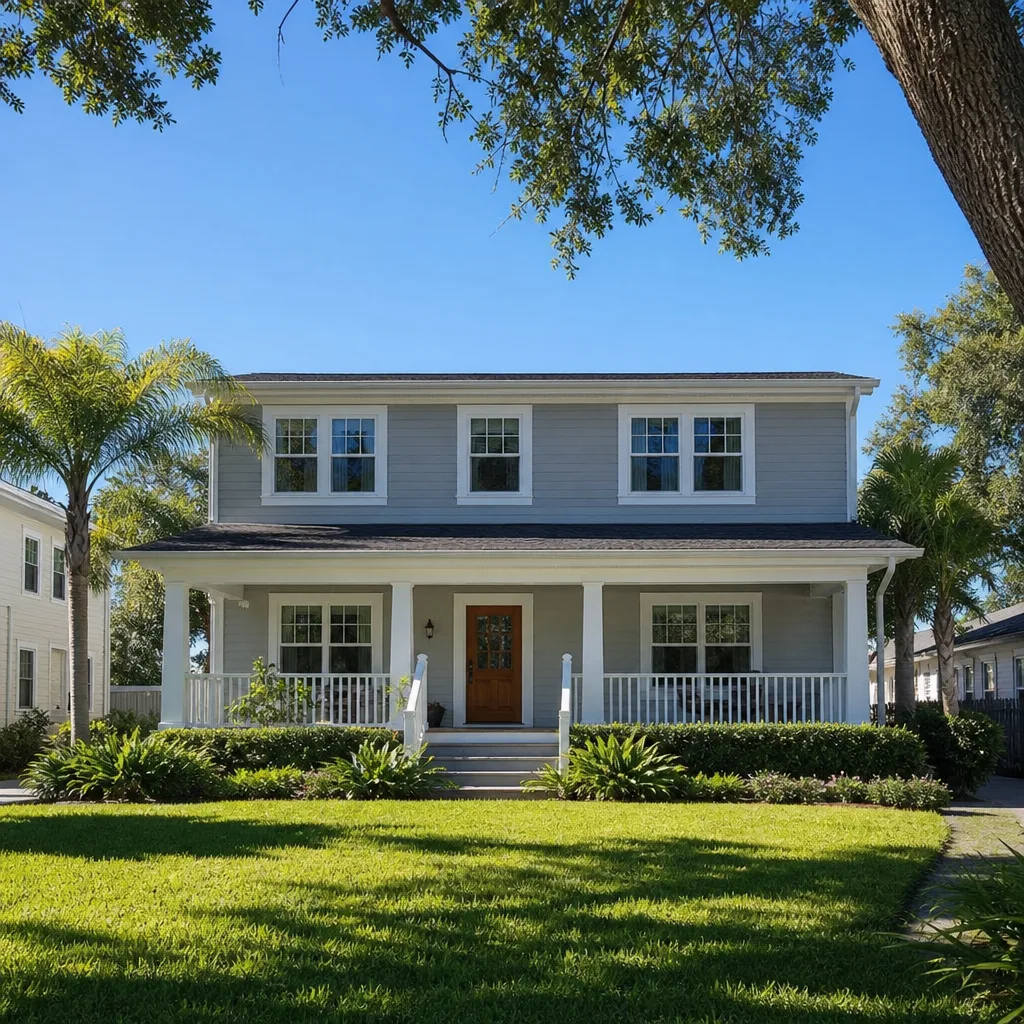
Plant Prefab builds panelized and modular structures across several configurable lines, and the home additions and ADUs share a common panel-join system even when floor plans differ. The typical Long Beach project uses their panelized wall system with factory-cut window and door openings, pre-installed sheathing, and connection hardware specified for California seismic zones. That last part matters: a panel kit built for a lower seismic zone will not meet Long Beach building code, and we’ve had to correct a few owner-purchased kits that were ordered wrong from the start.
The identifying details you need are on the panel labels themselves. Look for the panel ID number, the series code, and the manufacture date stamped on the interior face of any wall panel or in the floor system. If you can’t find those, measure the panel thickness. Most current Plant Prefab wall panels run 2×6 framing with engineered sheathing, but older runs used 2×4 studs, and the connection plates are not interchangeable between those two thicknesses. Trying to mate a 2×4-era corner bracket onto a 2×6 panel is a recipe for a sloppy seam and a failed inspection.
On the OEM versus aftermarket question: for structural connectors, we use the specified parts. No substitutions on tie-downs, hold-downs, or shear hardware. For finish materials like interior trim, door hardware, and flooring transitions, quality aftermarket options from brands like KraftMaid, Cambria, and Silestone give you better selection and often better pricing without touching the structural system. Sawyer Remodel Long Beach is an independent contractor and not affiliated with Plant Prefab, which means we recommend whatever actually works best for the project rather than whatever the original spec sheet listed.
Styles & brands we work with







Signs Your Plant Prefab Home Addition or ADU Is Failing
- Visible seam separation at wall panel joints. The tape and mud crack first, then the gap widens behind it. This usually means the panel connection loosened or the foundation shifted slightly. In Long Beach, we see it most often in ADUs built on pier-and-beam foundations where clay soil expands after winter rain.
- Door or window frames binding. If the door that used to swing freely now catches at the top corner, the rough opening has moved. On panelized builds, this points to either settlement or an improperly shimmed opening during original assembly.
- Water staining at floor-to-wall intersections. Panel seams near the base plate are the first place water finds its way in. In Long Beach’s fog-heavy months, even a hairline opening pulls enough moisture to stain drywall and start mold behind the baseboard.
- Floor bounce or soft spots near the bathroom or kitchen. Panelized additions tie into the existing structure at the roof and floor line. If the tie-in wasn’t flashed and sealed correctly, water pools at the transition point and the subfloor pays the price.
- Corner flashing lifted or missing after a wind event. Santa Ana winds in Long Beach test every piece of exterior metal. When flashing lifts, it’s an open water channel into the wall cavity. We replace flashing with proper lapped profiles and sealant rated for coastal exposure.
Replacement Cost & What’s Included
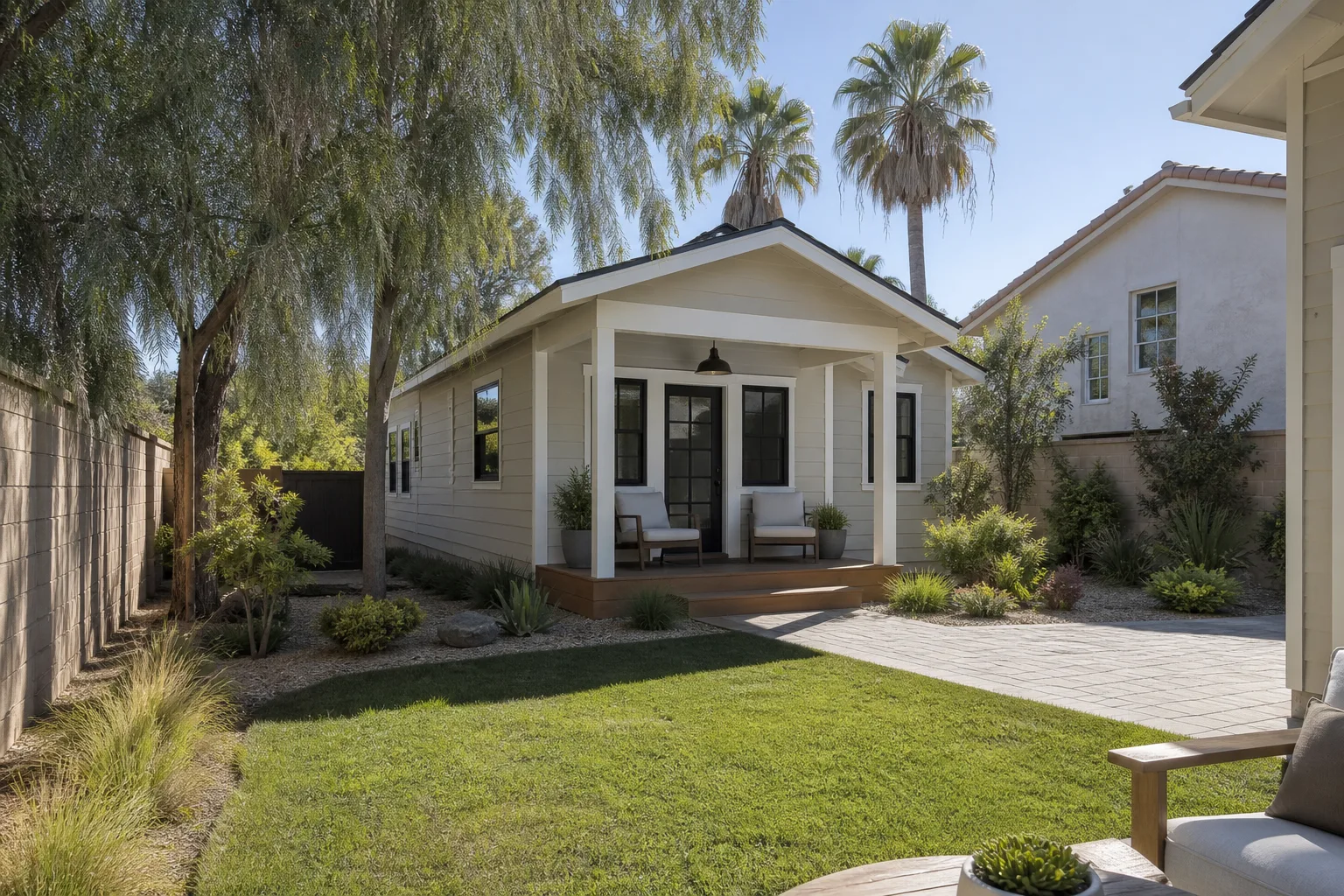
A full Plant Prefab addition or ADU project in Long Beach runs $45,000 – $130,000, with most accessory dwelling units landing between $90,000 and $220,000 when you factor in utility connections, upgraded finishes, and Long Beach permit fees. A partial repair, like resealing panel seams and replacing damaged drywall, falls into a much smaller range but depends entirely on the damage extent.
The biggest cost drivers are foundation type and site access. A slab-on-grade pour on a flat Long Beach lot costs less than a pier system on a sloped hillside lot, and a backyard with alley access means equipment gets in without a crane. We put the written price in your hands before any work starts, and that number includes permits, materials, labor, and the site cleanup. No change orders unless you change the scope, and you’ll know the price of a change before we touch it.
Every project carries our 365-Day Done Right Promise: if something isn’t done right, we make it right, backed in writing. That covers the panel seams, the flashing, the drywall, the paint, and everything else we installed. You get a full year of accountability after the job closes.
See the difference
 Before
 After
After Before
 After
After Before
 After
AfterDIY or Call Us?
You can safely identify panel IDs, measure panel thickness, and document where seams have opened. Photograph everything. That information helps us give you a faster, more accurate estimate. What you should not do is attempt to lift or reposition wall panels, loosen structural connectors, or pull up flooring to “take a look” at the subfloor. Panels under load carry real weight, and a shifted panel can drop without warning.
Working around structural connections without the right bracing and sequence of operations is how a small repair becomes a big one. We’ve seen it happen. If you suspect a failed connection or water intrusion, call (562) 512-6480 and we’ll come assess it. The assessment tells us everything we need to know, and you’ll get a written price before any work begins.
How Long Does a Plant Prefab Addition or ADU Take in Long Beach?
A full ADU build typically takes 4 to 7 months from permit to final inspection, depending on the foundation type and how quickly Long Beach plan check moves. A repair of a failed panel connection or water intrusion problem is usually a 3 to 10 day job once we’re on site. We schedule work around the actual permit timeline, not an optimistic one, so you won’t be chasing us for updates. You’ll get a live arrival time, photo updates before and after, and a digital invoice you pay from a link.
FAQs
A properly installed and maintained Plant Prefab panel system lasts 50 years or more, with the finish materials needing replacement on their own cycle: paint every 7 to 10 years, flashing checked every 3 to 5 years. Long Beach’s salt air and fog shorten the lifespan of exposed metal components faster than inland locations, so coastal homes need more frequent flashing and sealant inspections. Call (562) 512-6480 for an exact assessment of your build, and we’ll tell you what needs attention now and what can wait.
Most failing panel connections can be repaired without replacing the entire panel. We re-align the joint, install the corrected connector or fastener pattern, and reseal the seam with materials rated for coastal exposure. Full panel replacement is rare and usually only necessary when water damage has rotted the studs or sheathing beyond repair. Call (562) 512-6480 and we’ll inspect the actual condition before recommending anything.
We stock the common connection hardware, flashing profiles, sealants, and drywall materials needed for most Plant Prefab repairs in Long Beach. If your specific project needs a specialty connector or a matched exterior finish panel, we order it ahead of the job start. When we schedule the work, we confirm the parts are on hand before we arrive, so there’s no standing around waiting on a shipment. Call (562) 512-6480 to confirm parts availability for your specific model.
No. The price we put in writing before any work starts is the price you pay, unless you ask us to expand the scope. If a change is requested, we price it in writing and get your approval before doing the work. That’s The Relay Standard, and it applies to every job we take on in Long Beach. Call (562) 512-6480 for a free estimate, and the number on the estimate is the number on the invoice.
Contact Sawyer Remodel Long Beach
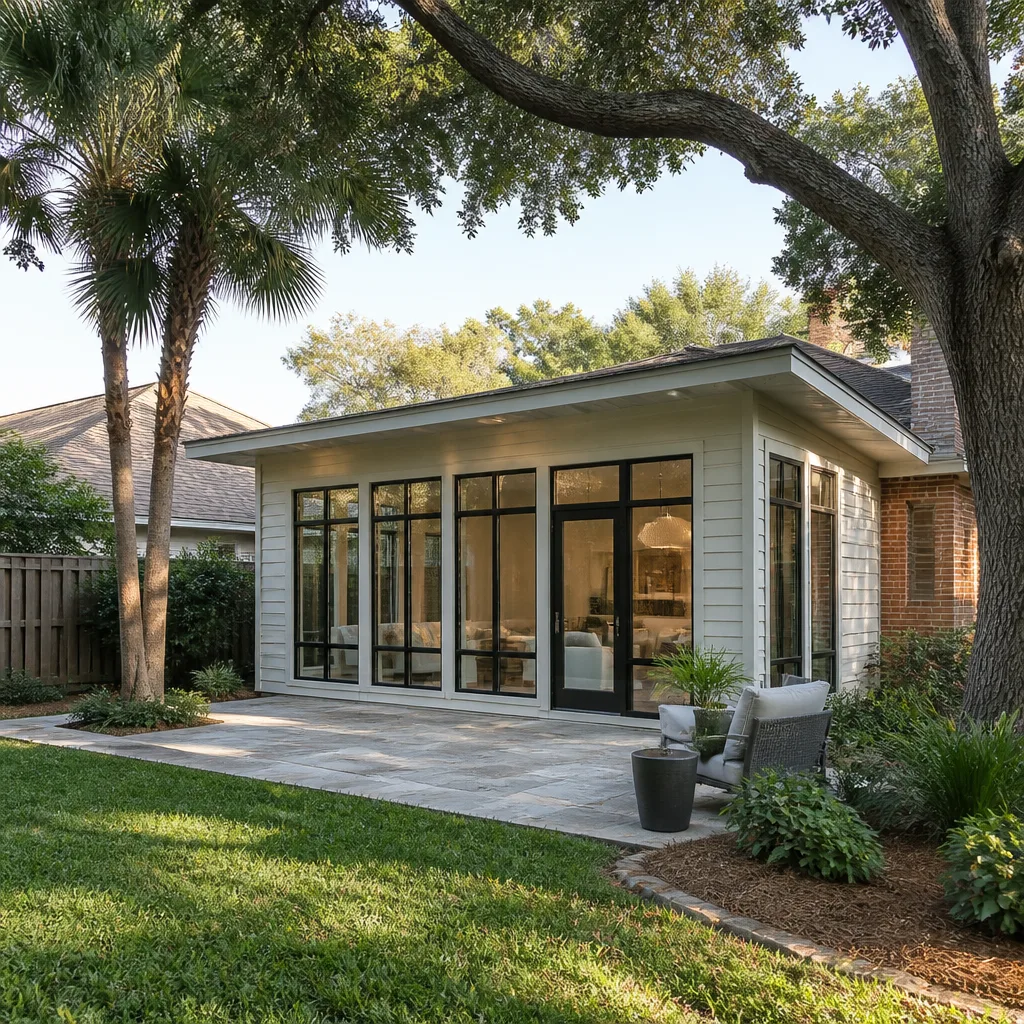
If your Plant Prefab addition or ADU is showing signs of failure, or if you’re planning a new one and want a contractor who puts the price in writing before work starts, call us at (562) 512-6480. We serve all of Long Beach, from Alamitos Beach to Bixby Knolls to the neighborhoods around El Dorado Park. The work tells you everything. The rest is just talking.
Written by Luca Romano, Owner, Sawyer Remodel Long Beach at Sawyer Remodel Long Beach, serving Long Beach and nearby areas.


