
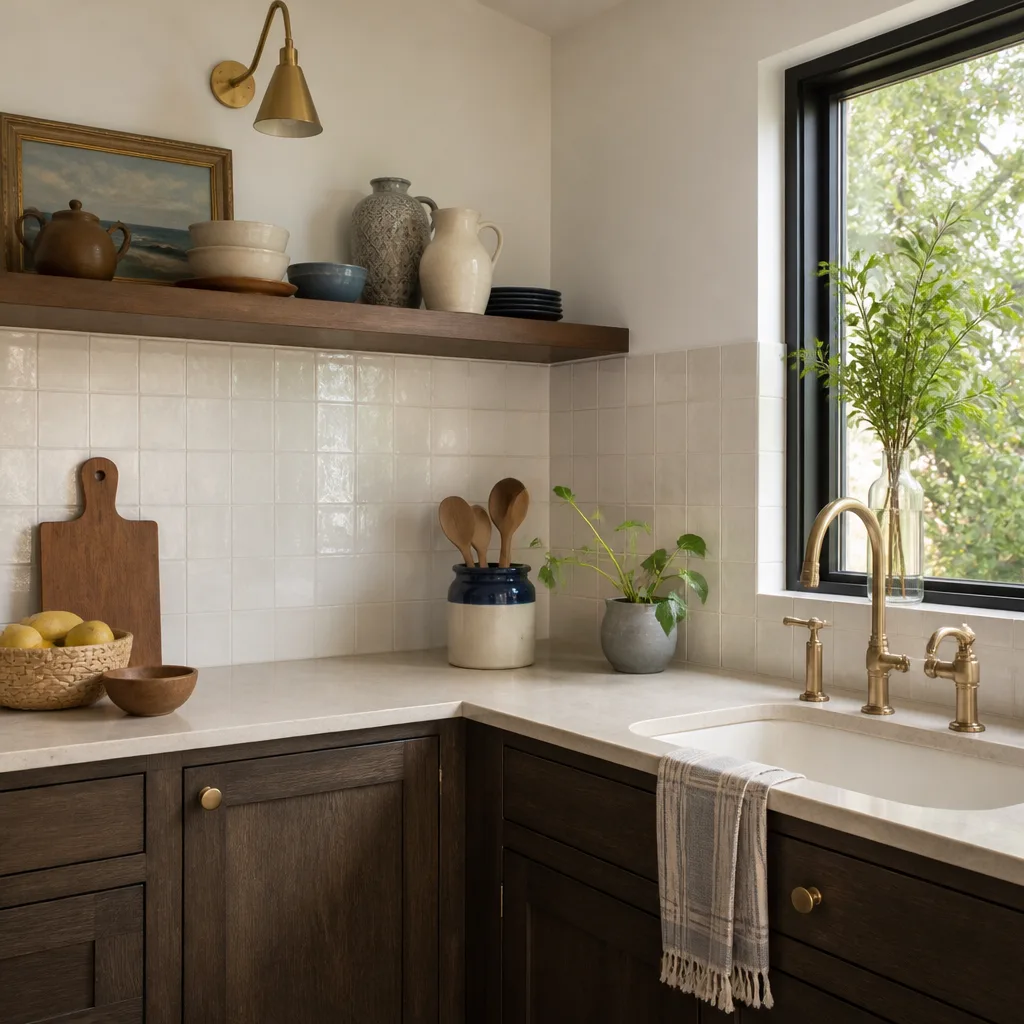
Free written scope consultation - allowances, timeline, and change-order rules on paper before a single trade is scheduled
Styles & brands we work with







See the difference
 Before
 After
After Before
 After
After Before
 After
AfterHow Much Does Home Addition Cost in Long Beach?
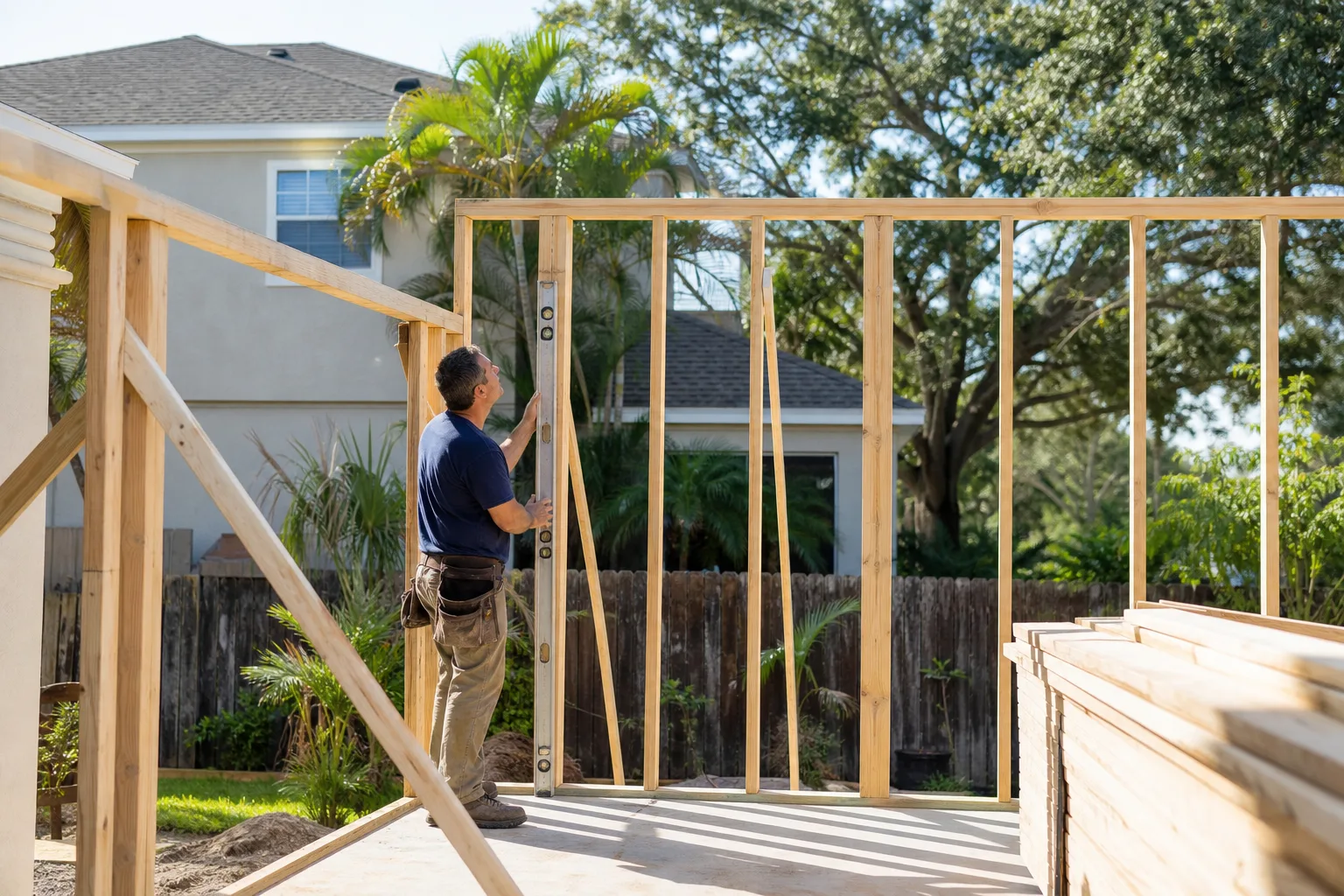
Home additions in Long Beach, CA typically cost between $45,000 and $130,000, with most mid-sized room additions (400 – 900 sq ft) landing in the $75,000 – $110,000 range. That’s a big spread because square footage, foundation type, and whether you’re adding a second story all move the number dramatically. For a single ground-level bump-out (200 sq ft or so), you’re looking at $45,000 – $60,000; for a full primary suite addition with a bathroom and closet, $90,000 – $130,000 is realistic.
These numbers reflect what our team at Sawyer Remodel Long Beach sees across working neighborhoods like Bluff Heights, Bixby Knolls, Los Altos, and Belmont Shore so they’re not pulled from a national database, they’re pulled from Long Beach soil, Long Beach permit lines, and Long Beach foundation work. The city is old, the lots are tight, and the permitting process has wrinkles you won’t find in newer markets; all of that shows up in the final invoice.
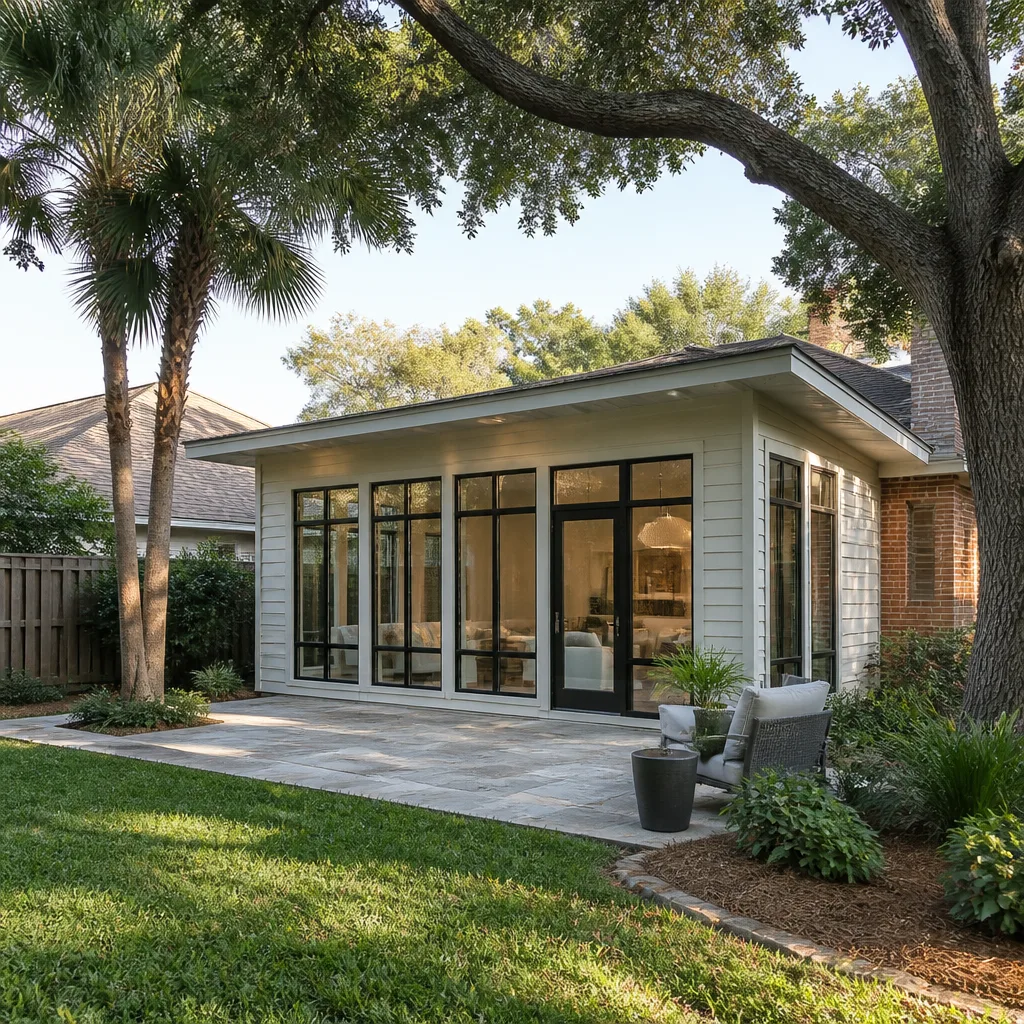
Home Addition Cost Breakdown (2026)
Here’s the line-item reality of where your money goes on a home addition in Long Beach. These are the numbers we actually work with when we’re building an estimate, not national averages from a website that’s never poured a footing in California.
| Line Item | Typical Cost Range | Notes |
|---|---|---|
| Architectural drawings / plan set | $4,000 – $8,000 | Required for Long Beach Building & Safety submittal |
| City of Long Beach permit fees | $2,500 – $6,000 | Varies by valuation; school district fees add on |
| Foundation work | $8,000 – $25,000 | Post-tension slab vs. raised floor changes this |
| Framing & structural | $15,000 – $35,000 | Depends on roof tie-in complexity |
| Electrical rough-in & finish | $4,000 – $10,000 | Panel capacity can trigger an upgrade; see below |
| Plumbing rough-in & finish | $3,500 – $12,000 | Adding a bathroom pushes this up hard |
| HVAC extension | $3,000 – $9,000 | Ductwork into new space, or a mini-split |
| Drywall, insulation, paint | $5,000 – $12,000 | Long Beach energy code (Title 24) matters here |
| Flooring | $3,000 – $9,000 | Depends on whether you’re matching existing floors |
| Roofing (if addition has new roof area) | $4,000 – $10,000 | Tile vs. comp shingle changes cost and weight |
| Windows & exterior doors | $3,000 – $8,000 | Cost varies with size and code requirements |
| Total typical range | $45,000 – $130,000 | Per sq ft: roughly $150 – $290 in Long Beach |
Here’s the thing about the “per square foot” number everyone asks about: in Long Beach, it usually runs $150 – $290 per square foot in 2026, but that assumes a basic room addition with no bathroom and no kitchen. The moment you add plumbing, the per-square-foot number jumps because fixtures and drain lines don’t scale down just because the room is small. A 300-square-foot addition with a full bath can cost more per square foot than a 700-square-foot playroom because the expensive systems are the same either way.
What drives the cost up in Long Beach specifically? Three things hit harder than anywhere else: seismic structural requirements, lot line setbacks, and sewer laterals. California Building Code seismic standards mean your addition needs sheer walls, Simpson tie-downs, and often a new foundation system that takes more time and material than a comparable build in Nevada or Arizona would. Most Long Beach lots are 50 feet wide or less, which directly affects foundation and framing access; more than once we’ve poured a foundation in Bixby Knolls with a pump truck because the space between houses was too tight for anything else. Some older properties in Rose Park and Cambodia Town date back to the 1920s, and their post-and-pier foundations often need retrofitting before we can tie in new square footage.
What drives cost down? Keeping the addition on the same level, avoiding plumbing, using standard window sizes, and not moving existing walls. Adding a simple bedroom bump-out to the rear of the house on a slab foundation is the cheapest addition you can build. Adding a kitchenette or a bathroom to that same space can move the total by $25,000 or more.
What Affects Home Addition Pricing in Long Beach
- Foundation type. If your home sits on a raised foundation, the addition will likely match that. Raised foundations cost less to build but can expose the older home’s existing foundation condition to fresh scrutiny. In Belmont Heights, we regularly see 1930s foundation sills that need replacement before the addition can start; that’s an honest $4,000 – $8,000 line item that surprises nobody after we walk the crawlspace.
- Second story vs. ground floor. A second-story addition (adding a primary suite above the garage, for example) can run 25 – 40% more per square foot because of structural reinforcement, stair construction, and roof work. A ground-floor addition with a new concrete slab is the most cost-efficient path.
- Electrical panel capacity. If your panel is a 100-amp unit from the 1970s, it may need an upgrade to 200 amps before the city of Long Beach will sign off on new circuits. That’s a $3,000 – $6,000 add-on that appears in many of our quotes. In El Dorado Park and Los Altos, we see this on nearly half of addition projects.
- Site access and lot size. Tight Lots, narrow side yards, and shared driveway access affect how we get materials into your backyard. If we have to hand-carry lumber through a 3-foot gate, you pay for labor, not the material, but it’s real money. In Alamitos Beach, where driveways are scarce and alley access is common, waste removal and portable restroom placement become planning issues you won’t see in a new subdivision.
- Existing roofline complexity. If the new addition can tie in under the existing roof line, roofing work is manageable. If we’re building a new gable or matching a hip roof with a complicated valley condition, expect additional framing and roofing labor. Long Beach has a lot of Spanish Revival and craftsman rooflines that don’t always play nicely with modern addition geometry.
- Permitting and plan check timeline. The City of Long Beach Building & Safety Plan review typically runs 4 – 8 weeks for a standard addition. If your property is in a historic district or has any on-site condition that triggers additional review, that timeline extends. Time is money, especially if you’re financing the project or paying a mortgage on a property you can’t fully use yet.
Can You Build a Home Addition the Same Day?
No. A home addition in Long Beach is a multi-week to multi-month project. A simple 200-square-foot bump-out with no plumbing might take 6 – 10 weeks once permits are issued. A full 600-square-foot addition with a bathroom and closet usually runs 3 – 5 months from demolition to final inspection. Anyone who tells you an addition can be done in three weeks is not pulling permits, and in Long Beach, unpermitted additions come back to haunt you at resale. The city’s building department cross-references property records when a house changes hands, and unpermitted square footage becomes a title issue faster than you’d think.
How to Save on Home Addition
Saving money on an addition doesn’t mean cutting quality; it means making decisions that make the build simpler. Here are the levers that actually move the number in the real world:
- Avoid plumbing. A simple living space or bedroom addition without a sink or toilet is dramatically cheaper. Every drain line, vent stack, and water supply line adds thousands.
- Match existing materials. If your home has a standard flat texture ceiling and standard baseboards, don’t change that in the new space. Matching labor for specialty finishes costs a premium.
- Standard window sizes. Custom windows add cost and lead time. Long Beach has plenty of window suppliers who stock standard sizes that match common architectural styles in the area.
- Build in the dry season. Long Beach construction runs smoother from April through October. If weather delays can be avoided entirely, they should be. Winter projects are fine, but the schedule cushions a little more when rain is a possibility.
- Get a real, line-item estimate before you commit. This is the one that saves the most grief. A written price before any work starts means no surprise at the invoice. We put the price in writing because that’s how our whole operation runs; if you’re comparing contractors, get at least three written bids and read the line items side by side. Call (562) 512-6480 and we’ll walk you through what we’re seeing in your neighborhood.
Can You Convert a Garage Instead of Building a Home Addition?
Yes, and a garage conversion in Long Beach usually runs $30,000 – $80,000 depending on existing condition, electrical work, and whether you’re adding a bathroom. That’s cheaper per square foot than most additions because the shell of the structure already exists. You’re not pouring new foundation, framing exterior walls, or building a new roof. But here’s the catch in Long Beach specifically: the city requires garage conversions to maintain compliance with parking requirements, especially in areas with limited street parking. In Belmont Shore and Naples, where street parking is a blood sport, converting a garage often triggers a requirement to provide covered parking elsewhere on the lot. Some homeowners decide the math works out just as well as building a home addition in Long Beach, and some decide the parking issue makes the garage conversion a non-starter. It depends on your lot, your zone, and whether you ever plan to sell.
How Long Does Permitting Take for a Home Addition in Long Beach?
Plan check with the City of Long Beach Building & Safety typically takes 4 – 8 weeks for a standard single-story addition, assuming no major corrections are needed. If the plan set has issues that need to be redrawn, add another 2 – 4 weeks per correction cycle. Historic districts like Bluff Park or the California Heights area sometimes require additional design review, which can stretch the timeline to 3 – 4 months before the permit is even issued. Once permits are in hand, the actual construction timeline starts. If you’re financing through a home renovation loan, factor the permitting time into your draw schedule so you’re not paying interest on money you can’t spend yet.
Home Addition vs. ADU: What’s the Difference in Cost?
An ADU (Accessory Dwelling Unit) in Long Beach costs $90,000 – $220,000, more than a typical home addition on a per-square-foot basis because an ADU includes a full kitchen and bathroom, often with separate utility connections. A home addition that just adds living space to the existing square footage is usually cheaper because it piggybacks on the existing systems in your house. If you’re weighing the two, think about what you actually need: a home addition adds space to your existing living area, while an ADU creates an entirely separate housing unit with its own address, its own kitchen, and its own tenant potential. The $45,000 – $130,000 range for a home addition assumes you’re using the existing kitchen and at least some existing systems. Once you’re building a second kitchen, the price climbs into ADU territory fast.
What Does a 500 Sq Ft Addition Cost in Long Beach?
A 500-square-foot ground-floor addition in Long Beach typically costs $75,000 – $110,000 in 2026. If that space includes a bathroom, expect the top of that range. If it’s one open room with no plumbing and straightforward electrical, you might hold it to the low end. This is the most common addition size we quote in neighborhoods like Bixby Knolls and Lakewood Village, where homes were built in the 1940s and 1950s and a 500-square-foot rear addition brings a 1,100-square-foot house up to something a growing family can actually live in.
FAQs – Home Addition Cost
How much does a home addition cost in Long Beach?
Home additions in Long Beach run $45,000 – $130,000, with most projects landing between $75,000 and $110,000 depending on size, plumbing, and structural work. Call (562) 512-6480 for an exact quote on your specific property; estimates are free.
Is it cheaper to add on or build up in Long Beach?
Adding on at ground level is cheaper, typically $150 – $200 per square foot, but going up costs $200 – $290 per square foot after you account for structural reinforcement, stair construction, and roof work. Ground-floor additions are usually the right economic call unless your lot doesn’t have room to expand outward.
Can you come today to look at my property?
We answer the phone 24/7, and we can usually get someone to your Long Beach property within 1 – 2 business days for a site walk. Call (562) 512-6480 and a live person will set the appointment, not a callback queue.
Does a home addition add value in Long Beach?
Yes, when permitted and built to code a home addition typically recovers 60 – 80% of its cost at resale, but the real value is in the years you live in the space before selling. Unpermitted additions can become a negative at resale, so we pull permits on every project, no exceptions.
Do you charge for estimates?
No. Estimates are free. We walk the property, talk through what you want, and hand you a written line-item price before any work begins. The number on the invoice is the number you approved. Call (562) 512-6480 to schedule.
If you’re weighing a home addition against moving to a bigger house, run the math on both. In Long Beach, with current property values and renovation costs, adding on often beats buying in the same neighborhood; you already own the dirt that’s expensive to buy. Give us a call at (562) 512-6480 and we’ll help you think it through.
Written by Luca Romano, Owner at Sawyer Remodel Long Beach, serving Long Beach since 2005. Pricing reflects the Long Beach market as of 2026. Sawyer Remodel Long Beach offers free estimates – call (562) 512-6480.
What Our Customers Say
"Straight talk and simple communication. Every question got an answer by text within the hour."
- Cherie A."Floors and paint finished on time. Floors were sanded, stained, and the walls painted without any gaps in the schedule."
- Ron T."Booked a kitchen consult online and got a project timeline in the app. Crew texted each morning with the day's plan. Cabinets, counters, and backsplash look great."
- Erin K.